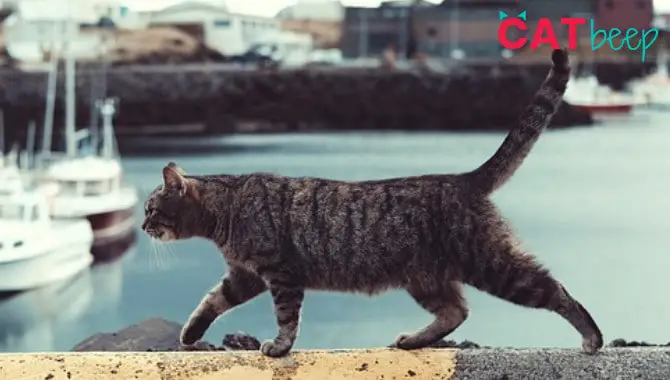
Why Your Cat Pounces on You at Night? Do you often find your cat pouncing on you at night, interrupting your sleep? This behavior might seem bizarre to you, but it’s perfectly natural for felines to be active during the night. In this section, we will explore why your cat may be pouncing on you at night and the underlying feline instincts that influence their behavior.
Cats are known to be nocturnal animals, which means they are naturally active during the night. This is because their hunting instincts are deeply ingrained in their DNA from years of evolution. Even though domestic cats might not need to hunt for their survival, their predatory behavior still manifests through activities such as pouncing, stalking, and chasing.
When your cat pounces on you at night, it might be trying to engage in these natural instincts. Additionally, night time can be more stimulating for cats since they have fewer distractions and can focus on their surroundings, including their owners.
Key Takeaways:
- Cats are naturally nocturnal animals with feline instincts deeply ingrained in their DNA.
- Night time can provide more stimulation for cats, leading to increased activity and behavior such as pouncing.
- Understanding feline nocturnal instincts can provide insight into your cat’s nighttime behavior.
Why Your Cat Pounces on You at Night – Understanding Feline Nocturnal Instincts
Have you ever wondered why your cat is more active at night? It all comes down to their innate instincts, honed over millennia as nocturnal hunters in the wild. As nocturnal animals, cats have evolved to be most active during the night when their natural prey is also active. This is why your cat may exhibit more energy and hunting behavior during nighttime hours.
It’s important to understand that a cat’s predatory instincts are deeply ingrained in their behavior and play a significant role in their nighttime activity, including pouncing behavior. Pouncing is a natural feline hunting behavior, used to attack and capture prey. In domestic cats, this behavior is often triggered by movement, whether it be a passing toy, a dangling light, or even the movement of their owner’s feet under the blanket. So, if you find your cat pouncing on you at night, it’s likely that their hunting instincts are at play.

To better understand your cat’s nocturnal instincts and predatory behavior, it’s helpful to engage in interactive playtime. By engaging in activities that mimic their natural hunting behavior, such as stalking, chasing, and pouncing, you can help fulfill their instinctual needs and reduce the likelihood of pouncing on you at night. Additionally, providing appropriate toys and play structures can help satisfy their hunting instincts while keeping them active and engaged.
Understanding Feline Nocturnal Instincts
It’s important to note that not all cats exhibit the same level of nocturnal activity or pouncing behavior. Some cats may be more active during the day while others prefer to sleep through the night. However, it’s still crucial to understand and respect their natural instincts to provide the best possible care.
Next, we’ll take a look at how play aggression and interactive playtime contribute to your cat’s nighttime pouncing behavior.
Play Aggression and Cat Playtime
If you have ever been the target of your cat’s stalking behavior or sudden ambush during playtime, you are not alone. Play aggression is a common behavior in cats and is often exhibited through stalking, pouncing, and biting. This behavior is typically harmless and stems from their natural hunting instincts.
Engaging in regular playtime with your cat can help redirect these tendencies and provide an outlet for their energy. Interactive toys such as feather wands and laser pointers can encourage healthy play and interaction with your feline friend. However, it’s important to avoid rough play that may encourage aggressive behavior.
It’s also essential to be mindful of your cat’s body language during playtime. If they become overly stimulated or aggressive, it’s time to redirect their attention and end the playtime session.

One way to engage in safe play with your cat is to create an environment that encourages natural hunting behaviors. For example, hiding treats around the house or offering puzzle toys that require problem-solving skills can help satisfy their need to hunt and reduce their urge to pounce on you.
Remember, playtime is not only beneficial for your cat’s physical health but also their mental well-being. By providing opportunities for appropriate play and interaction, you can strengthen the bond between you and your feline companion.
Feline Enrichment and Stimulation
If your cat is pouncing on you at night, it could be a sign of boredom or lack of stimulation. Cats are intelligent and curious animals that require mental and physical stimulation to thrive. When they are not adequately stimulated, they may resort to behaviors such as pouncing on their owners or tearing up furniture.
Providing your cat with various toys and activities can help satisfy their natural instincts and reduce boredom-related behaviors. Interactive toys, such as puzzle feeders or laser pointers, can provide mental stimulation, while cat trees or scratching posts can offer physical activity.
It is important to understand your cat’s circadian rhythm and sleep patterns when providing enrichment. As nocturnal animals, cats have a natural tendency to be more active at night. Providing stimulating toys and activities before bedtime can help tire your cat out and promote better sleep patterns.
If you are unsure what toys or activities your cat may enjoy, consider experimenting with a variety of options. It is important to note that not all cats will enjoy the same toys or activities, so it may take some trial and error to find what works best for your feline friend.

When providing enrichment for your cat, be sure to rotate toys and activities regularly to prevent boredom. You can also consider creating a play area that is separate from their sleep or eating space to maximize stimulation. By providing adequate feline enrichment and stimulation, you can reduce the likelihood of nighttime pouncing and ensure your cat is living a happy and healthy life.
Building a Strong Cat-Human Bond
Your relationship with your furry friend greatly influences their behavior, including their nighttime pouncing tendencies. By building a strong cat-human bond, you can strengthen your communication with your cat and minimize their attention-seeking behaviors, which may manifest through pouncing.
It’s essential to understand your cat’s communication cues, as they express themselves differently from humans. Feline communication often involves body language, vocalizations, and pheromones. For instance, when your cat arches its back and hisses, it may be warning you of potential danger. Conversely, when they rub against your legs or purr, it signifies a friendly gesture.
Training can also play a crucial role in redirecting your cat’s behavior effectively. Positive reinforcement is a valuable tool that rewards desirable behaviors while discouraging negative ones. For example, rewarding your cat with treats or affection when they engage in appropriate playtime can reinforce good behavior. On the other hand, scolding or punishing them for pouncing may reinforce negative behaviors while damaging your relationship.
In summary, understanding your cat’s communication cues, practicing positive reinforcement, and building a strong cat-human bond can help address their nighttime pouncing. By doing so, you strengthen your relationship and foster a harmonious living environment that benefits both you and your furry friend.

Creating a Nighttime Routine for Your Cat
Establishing a consistent nighttime routine for your cat can have a significant impact on their behavior. A routine can help promote better sleep patterns and reduce anxiety-related behaviors, including pouncing on you at night. Additionally, creating a routine can help you ensure your cat’s safety and provide them with a comfortable sleep environment.
When creating a nighttime routine for your cat, it’s essential to consider their natural behaviors and needs. Many cats are more active at night, so it’s important to provide them with a safe space where they can move around freely without causing any damage or getting into a potentially hazardous situation.
Start by setting up a designated sleeping area where your cat can rest undisturbed. This area should be cozy, quiet, and comfortable, with a soft bed or blanket. Consider placing this sleeping area in a location where your cat feels safe and secure, such as away from any potential noise or distractions.
Keeping a regular feeding schedule is also crucial for establishing a nighttime routine. Feed your cat at the same time every night and make sure they have access to fresh water at all times. This routine will also help discourage them from waking you up for food during the night.
Consider incorporating playtime into your cat’s nighttime routine. This playtime should be focused on activities that stimulate their natural instincts, such as stalking and ambushing. However, make sure that the playtime is not too close to bedtime as it may cause your cat to become more active and keep them up at night.
If your cat suffers from anxiety, consider using calming aids such as pheromone sprays or diffusers to help them relax. These products can be used to create a calming atmosphere and reduce stress-related behaviors.
Overall, a consistent nighttime routine can significantly benefit your cat’s sleep patterns and reduce disruptive behaviors such as pouncing on you at night. By providing a safe, comfortable, and stimulating nighttime environment, you can help your feline friend rest peacefully and enjoy their nocturnal activities.

Conclusion
Understanding your cat’s behavior and needs is essential in promoting a healthy relationship between you and your feline friend. By exploring the feline nocturnal instincts, you can gain insight into why your cat pounces on you at night and how to address this behavior.
Engaging in appropriate playtime and providing adequate enrichment can help satisfy your cat’s natural instincts and minimize disruptive behaviors. Building a strong cat-human bond through communication cues and training can also positively impact their behavior.
Establishing a consistent nighttime routine is crucial in promoting better sleep patterns and reducing anxiety-related behaviors. Ensure your cat’s safety at night and create a comfortable sleep environment, paying attention to their circadian rhythm and sleep patterns.
By implementing these strategies, you can foster a harmonious relationship with your cat, respecting their natural behaviors and needs, and minimizing unwanted pouncing behaviors. Remember to always prioritize your cat’s well-being and consult with a veterinarian if you have any concerns.
Is Studying Cat Behavior Necessary to Understand Why Cats Pounce at Night?
Is studying cat behavior necessary to understand why cats pounce at night? A cat behaviorist guide understanding feline behavior can shed light on this nocturnal behavior. Cats are natural hunters and their predatory instincts are more pronounced during nighttime. By observing their behavior, a cat behaviorist can help decipher the reasons behind these nighttime pouncing episodes.
FAQ
Q: Why does my cat pounce on me at night?
A: Cats have natural nocturnal instincts that drive their behavior. Pouncing is a common behavior that stems from their hunting instincts and predatory nature. When they pounce on you at night, it is likely a result of their innate need to engage in hunting-like activities.
Q: How do feline nocturnal instincts influence my cat’s behavior?
A: Feline nocturnal instincts are deeply ingrained in cats due to their history as hunters. These instincts drive their desire to be active and engage in play, particularly during nighttime. Pouncing is one way for cats to channel their energy and satisfy their natural urge to hunt.
Q: What role does play aggression play in my cat’s nighttime pouncing?
A: Play aggression is a common behavior in cats and often manifests through stalking, ambushing, and pouncing. During playtime, cats may see their owners as prey-like targets and pounce on them as part of their natural predatory behavior.
Q: How can I redirect my cat’s pouncing behavior during playtime?
A: It’s important to engage in safe and interactive play with your cat. Use toys that allow them to mimic hunting behavior, such as wand toys or interactive puzzle toys. This helps redirect their pouncing instincts away from you and onto appropriate play objects.
Q: What is feline enrichment and how does it reduce nighttime pouncing?
A: Feline enrichment refers to providing stimulating activities and toys that mimic natural hunting behaviors. By offering various enrichment options, such as puzzle feeders or interactive toys, you can help satisfy your cat’s instinctual needs and reduce their need to pounce on you at night.
Q: How does building a strong cat-human bond affect my cat’s nighttime pouncing?
A: A strong bond with your cat can help minimize disruptive behaviors like nighttime pouncing. By understanding your cat’s communication cues and attention-seeking behaviors, you can provide them with the necessary mental and physical stimulation to reduce their need to pounce on you at night.
Q: How can I create a nighttime routine to address my cat’s pouncing behavior?
A: Establishing a consistent nighttime routine will help promote better sleep patterns for your cat and reduce anxiety-related behaviors. Ensure their environment is safe and comfortable, provide a designated sleep area, and engage in calming activities before bedtime. This routine will help minimize nighttime pouncing on you.
Article by Barbara Read

Barbara Read is the heart and soul behind CatBeep.com. From her early love for cats to her current trio of feline companions, Barbara's experiences shape her site's tales and tips. While not a vet, her work with shelters offers a unique perspective on cat care and adoption.