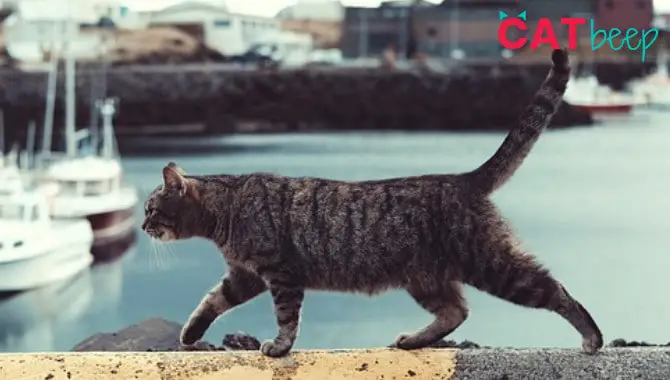
How to Become Cat Behaviorist – As a cat lover, you understand the importance of providing the best care for your feline friends. However, sometimes cats exhibit behavior that can be puzzling or even problematic. This is where a cat behaviorist comes in – a professional who specializes in understanding and modifying cat behavior to ensure their well-being.
If you have a passion for working with cats and want to pursue a career as a cat behaviorist, it’s essential to have a deep understanding of feline behavior and psychology. In this guide, we’ll explore the necessary steps to become a cat behaviorist and provide insights into feline behavior and its complexities.
Key Takeaways:
- Becoming a cat behaviorist involves understanding feline behavior and psychology.
- By pursuing proper education and certification, you can turn your passion for cats into a rewarding career.
- Behavior modification techniques and effective training methods can address common cat behavior problems.
How to Become Cat Behaviorist – Understanding Feline Behavior and Psychology
If you want to become a successful cat behaviorist, it’s crucial to understand feline behavior and psychology. Cats are fascinating creatures with complex personalities, and their behaviors are influenced by various factors.
Cat behavior refers to the actions and reactions displayed by cats in various situations. On the other hand, feline psychology encompasses the mental and emotional aspects of a cat’s behavior. Feline psychology involves understanding how cats perceive the world, process information, and react to different stimuli.
As a cat behaviorist, you need to be familiar with both cat behavior and feline psychology. This knowledge helps you identify the underlying causes of behavioral issues and develop effective solutions.
Factors that Influence Cat Behavior and Psychology
Cat behavior is influenced by various factors, including genetics, environment, and socialization. Genetic factors play a significant role in a cat’s personality and can determine their predisposition to certain behaviors.
The cat’s environment is another crucial factor that influences behavior. Environmental factors, such as the type of home, the presence of other animals, and the quality of the litter box, can affect a cat’s behavior.
Finally, socialization is essential for a cat’s behavior and psychology. Kittens need proper socialization to develop healthy behavioral patterns and avoid future problems. Socializing cats involves exposing them to various stimuli to help them adapt to different situations.

The Importance of Understanding Feline Behavior and Psychology
Understanding feline behavior and psychology is vital for anyone aspiring to become a cat behaviorist. It helps you diagnose and address behavioral issues more efficiently.
By understanding the fundamentals of feline behavior, you can help cat owners recognize possible behavioral issues before they escalate. You can also develop training and behavior modification plans tailored to each cat’s unique personality and needs.
As you become more knowledgeable about feline behavior and psychology, you will be able to provide better assistance to cats and their owners and make a more significant impact in the lives of felines.
Cat Behavior Problems and Solutions
As a cat behaviorist, you will encounter various behavior problems in cats, ranging from aggression and anxiety to litter box issues and scratching behavior. Your role is to identify the root cause of the problem and provide effective solutions through behavior modification techniques and cat training.
One of the most common cat behavior problems is aggression. This can manifest in different forms, such as fear aggression, territorial aggression, and redirected aggression. To address this issue, you need to determine the underlying cause and tailor your approach accordingly. For example, fear aggression can be tackled by desensitization and counter-conditioning, while territorial aggression may require environmental modification and territorial expansion.
Another common problem is anxiety, which can lead to various symptoms such as excessive grooming, hiding, and destructive behavior. Behavior modification techniques such as habituation, systematic desensitization, and counter-conditioning can help alleviate anxiety and improve the cat’s quality of life.
Litter box issues are another problem that many cat owners face. These can arise due to various factors such as litter box location, litter type, and cleanliness. It is vital to create a conducive environment for the cat to use the litter box comfortably. You may need to experiment with different litter types and locations to identify the ideal set up.
Lastly, scratching behavior can be a nuisance for cat owners, but it is a natural behavior for cats. Redirecting the behavior to an appropriate surface such as a scratching post can help alleviate the problem. Providing environmental enrichment through the use of toys and play can also help redirect the cat’s attention and reduce the incidence of scratching.
As a cat behaviorist, it is your responsibility to identify the root cause of the behavior problem and tailor your approach accordingly. Behavior modification techniques and cat training can help address these issues and improve the cat’s quality of life.
 Behavior modification techniques and cat training can effectively address cat behavior problems such as aggression, anxiety, litter box issues, and scratching behavior.
 Feline Communication and Body Language
As a cat behaviorist, understanding feline communication and body language is crucial in identifying potential problems with your cat’s behavior. Cats use a combination of body language, vocalizations, and scent marking to communicate with their owners and other animals.
Cats communicate through their body language by using their tail, ears, and posture. For example, a relaxed cat will have a loosely swaying tail, and ears upright or forward. On the other hand, an aggressive cat will have their tail straight out or puffed up, and ears flattened backward. Understanding these cues can help you recognize your cat’s state of mind and avoid dangerous situations.
Cats also communicate through vocalizations, such as meows, growls, and hisses. Each vocalization has different meanings, and recognizing them can help you understand your cat’s needs. For example, a meow can indicate hunger, while a hiss can indicate fear or aggression.
In addition to body language and vocalizations, cats communicate through scent marking, such as rubbing their cheeks or scratching surfaces. This behavior is their way of marking their territory and communicating with other cats.
By paying attention to your cat’s communication and body language, you can identify potential behavior problems, such as aggression, anxiety, or litter box issues. If you notice any concerning behavior, consult with a cat behaviorist to identify the root cause and develop a plan for behavior modification.

Interpret Feline Behavior Cues
Interpreting your cat’s behavior cues is essential for identifying problems early and avoiding dangerous situations. Here are some ways to interpret your cat’s behavior:
- Pay attention to body language: As mentioned earlier, a cat’s body language can tell you a lot about its state of mind. Learning to read these cues can prevent aggressive behavior and conflicts.
- Monitor vocalizations: Meows, hisses, and growls all have different meanings, and understanding them can help you identify your cat’s needs.
- Observe scent marking: Scent marking is your cat’s way of communicating with other cats. By observing these behaviors, you can identify any territorial issues.
By interpreting your cat’s behavior cues, you can identify potential problems early and take corrective measures before they become more severe.
Cat Socialization and Enrichment
As a cat behaviorist, you’ll play a crucial role in helping cats live happy, healthy lives. Socialization and enrichment are essential components of a cat’s well-being, and it’s your responsibility to provide guidance in these areas.
Cat socialization involves introducing cats to new environments, people, and pets, and it’s crucial for their development. You can provide guidance on how to properly socialize cats to avoid behavioral issues later in life.
Feline enrichment refers to mental and physical stimulation through play, toys, and environmental enrichment. Cats can become bored and develop behavioral problems if they don’t have enough stimulation, and it’s important to provide them with a variety of activities to prevent this.
You can advise cat owners on how to enrich their cats’ lives by recommending interactive toys, puzzle feeders, and scratching posts. You can also suggest changes to their environment, such as adding climbing structures or creating hiding spots, to provide a more stimulating living space.
Remember, each cat has unique preferences and personalities, so it’s important to tailor your recommendations to their individual needs. By providing guidance on socialization and enrichment, you can help cats live happier, healthier lives.

Cat Behavior Education and Certification
If you want to pursue a career as a cat behaviorist, education and certification are essential. To start with, you can take various cat behavior courses offered by reputable institutions. These courses will provide you with a solid foundation in feline behavior, psychology, and communication. You will learn about the different factors that influence cat behavior, as well as behavior modification techniques and effective cat training methods to address various behavior problems.
Once you have completed the necessary courses, you can apply for certification programs offered by organizations such as the International Association of Animal Behavior Consultants (IAABC), the Certification Council for Professional Dog Trainers (CCPDT), and the Animal Behavior Society (ABS). These programs will provide you with the necessary credentials to become a certified animal behaviorist or a feline behavior specialist.
Continuous professional development is also important for cat behaviorists. This field is constantly evolving and expanding, and it is crucial to stay updated with the latest research and techniques. Attend conferences, participate in workshops and seminars, and read relevant literature to stay current with the latest trends and developments in the field.
| cat behavior courses, cat behavior certification, animal behaviorist, feline behavior specialist |

Cat Behaviorist Career: What You Need to Know
If you’re considering a career as a cat behaviorist, there are several factors to consider. Becoming a cat behaviorist requires a combination of education, training, and experience. As a cat behaviorist, you’ll be responsible for helping cats and their owners overcome behavioral issues and improve their overall quality of life. Here’s what you need to know about pursuing a career as a cat behaviorist.
Cat Behaviorist Job Description
As a cat behaviorist, your job is to evaluate and modify cat behavior through a variety of techniques, including behavior modification, training, and environmental enrichment. You’ll work with cats and their owners directly, helping to diagnose behavioral issues and create customized treatment plans to address them. In addition to working with cats, you’ll also need to have strong communication and interpersonal skills to work with cat owners and other animal care professionals.
Cat Behaviorist Qualifications
While there are no formal educational requirements to become a cat behaviorist, most professionals in this field have completed some form of post-secondary education in animal behavior or a related field. A degree in animal science, psychology, or biology can be particularly helpful. In addition to formal education, it’s also important to gain practical experience working with cats and other animals. Many aspiring cat behaviorists start by volunteering at animal shelters or working as a veterinary technician.
Cat Behaviorist Training
After completing your education and gaining some practical experience, you’ll need to seek out additional training in cat behavior. There are several organizations that offer certification programs for cat behaviorists, including the Animal Behavior Society and the International Association of Animal Behavior Consultants. These programs typically consist of a combination of coursework and hands-on experience working with cats and other animals.
Continuing education is also essential for cat behaviorists. New research and techniques are constantly emerging in the field of animal behavior, and it’s important to stay up-to-date on the latest developments. Attending conferences, workshops, and other professional development opportunities can help you stay current and continue to grow your skills as a cat behaviorist.

Cat Behaviorist Success Stories and Best Practices
As a cat behaviorist, you will encounter a wide range of cat behavior issues. To help you address these problems effectively, it can be valuable to learn from the success stories of experienced cat behaviorists. Here are some testimonials from professionals in the field:
“I had a client whose cat had developed severe litter box issues, and the owner was close to giving up and rehoming the cat. After a thorough assessment of the cat’s behavior and environment, we implemented a behavior modification plan that included litter box training, environmental enrichment, and stress reduction techniques. Within a few weeks, the cat’s behavior improved dramatically, and the owner was amazed at the transformation.”
– Jane, Certified Cat Behavior Consultant
“I worked with a rescue organization that had a cat with severe aggression issues towards other cats. By employing a systematic desensitization and counterconditioning program, we were able to gradually acclimate the cat to other felines. The cat eventually became comfortable around other cats, and the organization was able to find him a loving home with a family that had other cats.”
– Tom, Feline Behavior Specialist
These success stories demonstrate the importance of using evidence-based behavior modification techniques when working with cats. Here are some best practices that experienced cat behaviorists recommend:
- Use positive reinforcement: Reward desirable behaviors with treats, toys, and praise.
- Be patient: Behavior modification can take time, so be prepared to work with cats and their owners for an extended period.
- Empathize with the cat: Put yourself in the cat’s shoes to understand their perspective and motivations.
- Stay up to date: Attend conferences, read research, and continue your professional development to stay current on the latest techniques and practices.
In addition to these best practices, using the right tools and methods can also be key to success. Some helpful tools for cat behaviorists include:
| Tool | Description |
|---|---|
| Clicker | Used as an auditory cue to mark desired behaviors and to reward cats during training. |
| Feliway diffusers | Contain synthetic pheromones that have a calming effect on cats and can help reduce stress and anxiety. |
| Scratching posts and pads | Provide an appropriate outlet for cats to scratch and can prevent destructive scratching behavior. |
While using the right tools and methods is crucial, it is also essential to maintain ethical practices in your work. As a cat behaviorist, you should always prioritize the welfare of the cat and strive to achieve long-term solutions rather than quick fixes. Additionally, it is important to communicate honestly and transparently with clients and to respect their values and beliefs.
By following these success stories and best practices, you can become a highly effective cat behaviorist and provide invaluable support to cats and their owners.

Conclusion
Congratulations on embarking on the journey to become a cat behaviorist! By following the steps outlined in this guide, you can gain the necessary knowledge and skills to help cats and their owners overcome behavior challenges.
Remember, becoming a cat behaviorist requires a deep understanding of feline behavior and psychology. By studying cat behavior, communicating effectively with clients, and using evidence-based behavior modification techniques, you can help cats live happy and healthy lives.
Stay up-to-date with the latest research and best practices in the field by attending conferences and pursuing continuing education opportunities. By doing so, you can continuously improve your skills and provide exceptional service to your clients.
Final Thoughts
Becoming a cat behaviorist is a rewarding career that requires a passion for cats and a commitment to improving their lives. By following your passion and investing in your education and professional development, you can turn your love for cats into a fulfilling and exciting career.
Remember, each cat is unique, and with your expertise, you can help cats and their owners live happier and healthier lives. We wish you the best of luck in your journey as a cat behaviorist!
What Role Does a Bengal Cat’s Diet Play in Their Behavior and Psychology?
The bengal cat dietary guidelines can significantly influence their behavior and psychology. As obligate carnivores, these cats require a diet rich in high-quality protein to thrive. Proper nutrition supports their natural instincts, energy levels, and overall well-being, reducing the likelihood of behavioral issues. It is crucial to feed them a balanced diet that meets their specific needs, with a focus on meat-based foods and limited carbohydrates.
FAQ
Q: How do I become a cat behaviorist?
A: To become a cat behaviorist, you will need to pursue proper education and certification. This typically involves taking cat behavior courses and completing a certification program. It’s important to continuously update your knowledge through professional development.
Q: What is the importance of understanding feline behavior and psychology?
A: Understanding feline behavior and psychology is crucial for anyone aspiring to become a cat behaviorist. It allows you to effectively address cat behavior problems, provide behavior modification techniques, and facilitate proper cat training.
Q: What are some common cat behavior problems and their solutions?
A: Common cat behavior problems include aggression, anxiety, litter box issues, and scratching behavior. Effective behavior modification techniques and cat training methods can help address these problems.
Q: How can I interpret feline body language and communication?
A: Cats communicate through body language, vocalizations, and scent marking. Understanding their behavior cues can help identify potential problems and improve your ability to communicate with them.
A: Socialization and enrichment are essential for a cat’s well-being. Strategies include helping them adapt to new environments, introducing them to other pets or people, and providing mental and physical stimulation through play, toys, and environmental enrichment.
Q: What education and certification are required to become a cat behaviorist?
A: To become a certified cat behaviorist, it is important to pursue relevant cat behavior courses and complete a certification program. Continuous professional development is also important to stay updated in the field.
Q: What does a career as a cat behaviorist entail?
A: As a cat behaviorist, your job includes addressing cat behavior issues, providing behavior modification techniques, and offering cat training. Required qualifications and necessary training may vary, and networking and attending conferences in the field can be beneficial.
Article by Barbara Read

Barbara Read is the heart and soul behind CatBeep.com. From her early love for cats to her current trio of feline companions, Barbara's experiences shape her site's tales and tips. While not a vet, her work with shelters offers a unique perspective on cat care and adoption.