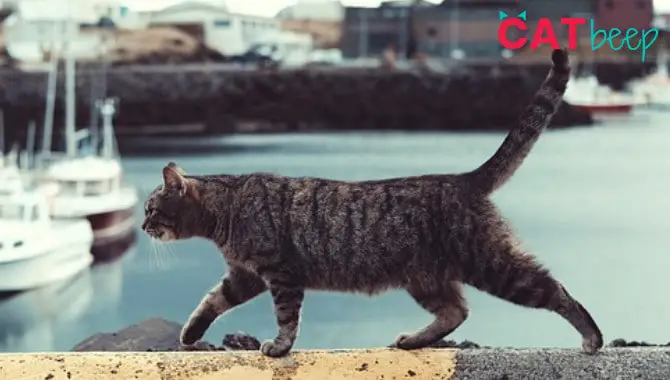
If you are considering adopting a Russian Blue cat, understanding their unique temperament and potential for separation anxiety is crucial for providing them with appropriate care and support.
Russian Blue cats have gained popularity for their stunning appearance, but they also possess distinctive personality traits that set them apart from other breeds. As natural introverts, Russian Blues can be sensitive to changes in their environment and may become anxious when left alone for extended periods.
In this section, we will explore the topic of separation anxiety in Russian Blue cats. We will delve into the signs of separation anxiety, coping strategies, and the emotional needs of Russian Blues. By understanding these key aspects, you can help alleviate separation anxiety in your Russian Blue cat and ensure their well-being.
Key Takeaways:
- Russian Blue cats have a distinctive temperament and can be prone to separation anxiety
- Understanding the signs of separation anxiety is crucial for providing appropriate care
- Coping strategies and addressing emotional needs can help alleviate separation anxiety in Russian Blue cats
Signs of Separation Anxiety in Russian Blue Cats
As a Russian Blue cat owner, it is important to be aware of the signs that indicate your pet may be experiencing separation anxiety. Some of the most common signs of separation anxiety in Russian Blue cats include:
- Increased vocalization: Your cat may meow excessively or make other noises when left alone.
- Agitation: Your cat may pace, scratch at doors, or become destructive in your absence.
- Changes in behavior: Your cat may become clingier or more withdrawn than usual when you are getting ready to leave or after you return.
- Refusal to eat or use the litter box: Your cat may stop eating or using the litter box when left alone.
- Physical symptoms: Your cat may experience physical symptoms such as vomiting, diarrhea, or loss of fur due to excessive licking or grooming.
The behavior of Russian Blue cats when left alone may vary depending on the individual and their level of attachment to their owner. However, if you notice any of these signs in your Russian Blue cat, it may be a sign of separation anxiety.

It is important to note that some of these signs may also be indicative of other health issues. Therefore, it is best to consult with your veterinarian to rule out any underlying health conditions before assuming that your cat may be experiencing separation anxiety.
Related Posts
- Are Russian Blue Cats Good with Dogs? Exploring The Russian Blue Cat Breed
- Do Russian Blue Cats Bite? Exploring The Russian Blue Cat Breed
- What Is the Russian Blue’s Personality? Exploring The Russian Blue Cat Breed
- What is the temperament of Russian Blue? Exploring The Russian Blue Cat Breed
- Do Russian Blue Cats like water? Exploring The Russian Blue Cat Breed
Coping with Russian Blue Cat Separation Anxiety
Dealing with separation anxiety in Russian Blue cats can be challenging, but there are effective strategies you can implement to alleviate their anxiety and promote their well-being.
Create a Safe and Comfortable Environment
One of the first steps in coping with separation anxiety in Russian Blue cats is to create a safe and comfortable environment for them. Provide them with a designated space where they have access to food, water, litter box, and toys. Additionally, consider leaving a piece of clothing with your scent for them to snuggle with while you’re away.
Gradually Increase Separation Time
Another strategy is to gradually increase the amount of time your Russian Blue is left alone. Start leaving them alone for short periods and gradually increase the time over several weeks. This can help them become more comfortable with being alone and reduce their anxiety levels.
Provide Interactive Toys and Playtime
Interactive toys and playtime can also help alleviate separation anxiety in Russian Blue cats. Puzzle toys, laser pointers, and interactive feather toys can engage their minds and provide mental stimulation. Additionally, playing with your cat for a few minutes before leaving can help them feel more relaxed and secure.
Consider Anti-Anxiety Medication
If your Russian Blue cat’s separation anxiety is particularly severe, you may want to consider anti-anxiety medication prescribed by a veterinarian. These medications can help reduce anxiety levels and promote a calmer state of mind.

Dealing with separation anxiety in Russian Blue cats requires patience and dedication, but with the right strategies, you can help alleviate their anxiety and create a more comfortable environment for them when left alone.
Understanding the Emotional Needs of Russian Blue Cats
As a Russian Blue cat owner, it is important to understand the emotional needs of this breed to prevent separation anxiety. Russian Blue cats are known for their loyalty and affectionate nature towards their owners.
However, they can also be prone to loneliness and stress when left alone for extended periods. It is crucial to recognize the signs of separation anxiety in your Russian Blue, as it can lead to destructive behavior and health issues.
Loneliness is a significant factor that can contribute to separation anxiety in Russian Blue cats. These cats thrive on human companionship and may feel distressed when left alone for too long. When they experience loneliness, they may display symptoms of anxiety such as vocalizations, pacing, and destructive behavior.
Stress is another factor that can impact the emotional needs of Russian Blue cats. They are sensitive creatures that can become easily overwhelmed by stressful situations. Stressors such as loud noises, unfamiliar visitors, and changes in environment can cause anxiety and trigger separation anxiety.
| Emotional Needs | Symptoms of Separation Anxiety |
|---|---|
| Fear of being alone | Excessive vocalizations when left alone |
| Lack of stimulation | Destructive behavior such as scratching and chewing on objects |
| Need for attention | Pacing and restlessness |
Understanding your Russian Blue’s emotional needs is the first step in preventing separation anxiety. Providing them with ample attention, stimulation, and a secure environment can help alleviate feelings of loneliness and stress. Additionally, introducing calming techniques such as pheromone sprays, comforting toys, and soothing music can be beneficial in reducing anxiety levels.
By recognizing and addressing the emotional needs of your Russian Blue cat, you can help prevent separation anxiety and promote their overall wellbeing.

Tips for Preventing Separation Anxiety in Russian Blue Cats
If you own a Russian Blue cat, it’s crucial to take steps to prevent separation anxiety. Here are some helpful tips to keep in mind:
- Gradual Separation: Gradually increase the time your cat spends alone to help them adjust to a routine without you. Start with brief periods and gradually increase the time as your cat becomes more comfortable.
- Attention and Play: Make sure to give your cat plenty of attention and playtime when you are with them to help them feel secure and loved. A tired cat is less likely to feel anxious when left alone.
- Secure Environment: Provide your cat with a safe and secure environment, with access to food, water, litter box, and comfortable bedding to help them feel secure when left alone.
- Comfort Items: Consider providing your cat with comfort items such as toys, blankets, or clothing with your scent on it to help them feel more relaxed when you are not around.
- Professional Help: If your cat’s separation anxiety is severe, consider seeking the help of a professional cat behaviorist who can provide additional tips and strategies.

Separation Anxiety Triggers for Russian Blue Cats
Russian Blue cats are known for their sensitivity and their tight bond with their owners. However, this bond can also make them vulnerable to separation anxiety. While every cat is unique, there are common triggers that can lead to separation anxiety in Russian Blue cats.
Changes in Routine
Russian Blue cats thrive on routine, and any disruption can be stressful for them. Changes in schedule, such as a different feeding time or litter box cleaning schedule, can throw off their routine and trigger anxiety. Additionally, home renovations, household guests, and other disruptions to their usual routine can also cause stress.
Travel or Moving
Traveling or moving to a new home can be a significant stressor for Russian Blue cats. Being away from their familiar environment can trigger anxiety, especially if they are placed in a new environment. Additionally, the stress of traveling and being confined can be overwhelming for some cats.
Vet Visits
Visiting the vet can be particularly stressful for Russian Blue cats, especially if they are not used to being handled by strangers. The unfamiliar surroundings, smells, and sounds can trigger anxiety and fear in some cats.
Holidays and Celebrations
Russian Blue cats can also be overwhelmed by the increased activity and noise during holidays and celebrations. Fireworks, loud music, and crowds can be sources of stress for many cats.
Behavior Changes When Separated
When separated from their owners or bonded companions, Russian Blue cats may display specific behaviors that indicate separation anxiety. These behaviors can include excessive vocalization, destructive behavior, house soiling, loss of appetite, and hyper-grooming.
By understanding the common triggers for separation anxiety in Russian Blue cats and being aware of the specific behaviors that can indicate anxiety, you can take steps to minimize stress and provide the best possible care for your feline companion.

Remedies for Russian Blue Cat Separation Anxiety
Separation anxiety in Russian Blue cats can be distressing, both for them and for you as their owner. However, there are several remedies that you can try to help alleviate their anxiety and make them feel more comfortable when left alone.
Provide Comfort Items
One of the key remedies for separation anxiety in Russian Blue cats is to provide them with comfort items. These items can help to soothe them and provide them with a sense of security when you’re not there.
Comfort items can include things like blankets, pillows, and toys. You can also leave an article of clothing with your scent on it, which can help to reassure your cat that you’re not far away.
Address Vocalization
Russian Blue cats are known for being vocal, and this can be especially true when they’re left alone. If your cat is meowing excessively or making other noise, it can be helpful to address this behavior.
One way to address vocalization is to leave a white noise machine or music playing when you’re not home. This can help to drown out external noises and provide your cat with a sense of calm.
Try Calming Treats
There are several calming treats available that can help to alleviate anxiety in Russian Blue cats. These treats are formulated with natural ingredients like chamomile and valerian root, which have a soothing effect on the nervous system.
It’s important to speak to your veterinarian before giving your cat any type of medication or supplement, including calming treats. Your vet can advise you on the best course of action and ensure that the treats won’t interact with any other medications your cat may be taking.
Consider Behavioral Training
If your Russian Blue cat’s separation anxiety is severe, behavioral training may be necessary. This type of training can help to recondition your cat’s response to being left alone and teach them new coping mechanisms.
Behavioral training should always be carried out by a professional, as it requires specific knowledge and experience. Your veterinarian can recommend a certified animal behaviorist or trainer who can work with your cat to address their anxiety.

Bonding and Separation Anxiety in Russian Blue Cats
Like most cats, Russian Blues are known to form strong bonds with their owners and may become attached to other pets in the household. This attachment can sometimes lead to separation anxiety when they are separated from their human or animal companions.
The anxiety can manifest in different ways, such as excessive meowing, destructive behavior, or refusing to eat. To better understand the relationship between bonding and separation anxiety in Russian Blue cats, consider the following:
Separation anxiety in Russian Blue cats can be triggered by:
- Long periods of separation from their owners or bonded companions
- Changes in routine
- Stressful situations, such as moving or introducing new pets
To minimize separation anxiety in your Russian Blue cat, it’s important to pay attention to their behavior and emotional needs. Make sure they are comfortable when left alone and provide them with plenty of mental and physical stimulation to keep them occupied.
Additionally, you can try gradually acclimating your cat to being alone by leaving them alone for short periods of time and gradually increasing the duration. Another helpful strategy is to provide them with familiar and comforting items, such as their favorite blanket or toy.
Bonding with Your Russian Blue Cat
To strengthen your bond with your Russian Blue cat, make sure to spend quality time with them each day. This can include grooming, playing, or simply cuddling. Consistency is key, and establishing a routine can help your cat feel more secure and relaxed.
If you have multiple pets at home, it’s important to give each of them individual attention and ensure that they have their own space to retreat to when they need a break from each other.
Remember: A strong bond between you and your Russian Blue cat can help prevent separation anxiety and provide them with a sense of security and comfort.

Specific Situations That Trigger Russian Blue Cat Anxiety
If you’re a Russian Blue cat owner, you’re probably well aware of their propensity for anxiety, especially when left alone. However, certain situations can trigger anxiety in Russian Blue cats more than others, causing them to exhibit signs of distress or discomfort. In this section, we will look at some of the most common situations that may trigger anxiety in your Russian Blue cat, and what you can do to help them feel more at ease.
Russian Blue Cat Anxiety During Travel or Moving
Russian Blue cats are creatures of habit, so any changes to their environment can cause them to feel anxious or stressed. This is particularly true when it comes to travel or moving, as they are suddenly taken out of their familiar surroundings and placed in an unfamiliar and unfamiliar environment. If you’re planning a move or a long trip with your Russian Blue cat, there are a few things you can do to help ease their anxiety:
- Prepare a comfortable carrier and line it with soft bedding, familiar toys, and treats.
- Allow your cat to explore the carrier before the trip so they can become familiar with it.
- Use pheromone sprays or calming aids to help keep your cat relaxed during the trip.
- Provide plenty of water, food, and litter during the journey.
Russian Blue Cat Anxiety During Vet Visits
Visiting the vet can be a stressful experience for any cat, but it can be particularly challenging for Russian Blue cats who are prone to anxiety. In addition to the unfamiliar environment and strange smells, the presence of other animals can also cause your cat to feel uneasy. Here are a few ways to help your Russian Blue cat feel more relaxed during vet visits:
- Use a comfortable carrier to transport your cat and make them feel at ease.
- Bring along familiar toys, treats, or blankets to help distract your cat from the vet surroundings.
- Speak in a soothing voice and give your cat plenty of reassurance and encouragement.
- Use pheromone sprays or other calming aids to help keep your cat relaxed during the visit.

Remember, prevention is always better than cure when it comes to managing anxiety in your Russian Blue cat. By identifying the triggers that cause anxiety in your cat, you can take steps to reduce their stress levels and create a more comfortable and secure environment for them.
Russian Blue Cat Anxiety and Changes in Routine
Changes in routine can be particularly stressful for Russian Blue cats, leading to increased anxiety levels and potential behavior changes. As a cat owner, it’s essential to understand how these changes can affect your feline friend and take steps to minimize their anxiety.
Some common triggers for anxiety during changes in routine can include:
- Home renovations
- Moving to a new home or location
- Household guests
- Changes in feeding or play schedules
If you are planning a home renovation, it is essential to take steps to minimize the disruption to your cat’s routine and environment. For example, consider designating a specific area of the house where your cat can retreat and feel safe during the renovation. You may also want to consider keeping their feeding and play schedules as consistent as possible during this time.
If you are moving to a new location, it’s essential to take steps to acclimate your cat to their new surroundings gradually. Introduce them to their new home in small doses, starting with a single room before gradually expanding their access to new areas. You may also want to consider using a pheromone spray to help reduce your cat’s anxiety during the transition.
If you are having household guests or changing your cat’s feeding or play schedule, it’s important to do so gradually and with consideration for your cat’s routine. Introduce changes slowly and in small doses to minimize their anxiety and allow them to adjust to the new routine.

By taking steps to minimize the disruption to your cat’s routine and environment during times of change, you can help reduce their anxiety levels and ensure their well-being.
Russian Blue Cat Anxiety During Holidays and Celebrations
While holidays and celebrations can be a joyous time for people, they can be overwhelming for Russian Blue cats. The increased activity, loud noises, and presence of unfamiliar people or animals can trigger anxiety and stress in your feline friend.
If you notice signs of anxiety in your Russian Blue cat during holidays or parties, it’s important to create a safe and secure space where they can retreat to when they feel overwhelmed. This could be a designated room with their favorite toys, bedding, and scratching post, or a cozy hiding spot under the bed.
It’s also important to be mindful of fireworks and other noisy celebrations, which can be particularly distressing for cats. Keep your Russian Blue cat indoors during these events and provide them with a comfortable and calming environment. Consider playing soothing music or using pheromone sprays to help alleviate their anxiety.
Table: Coping with Russian Blue Cat Anxiety During Holidays and Celebrations
| Tip | Description |
|---|---|
| Create a Safe Space | Provide a designated room or hiding spot where your cat can retreat to when feeling overwhelmed |
| Avoid Loud Noises | Keep your cat indoors during fireworks and other noisy celebrations |
| Use Soothing Scents | Consider using pheromone sprays or diffusers to help calm your cat |
| Play Soothing Music | Choose calming music to help your cat relax |
| Limit Visits | Avoid having too many visitors, especially if they’re unfamiliar to your cat |
By taking these steps to create a calm and comforting environment for your Russian Blue cat during holidays and celebrations, you can help alleviate their anxiety and ensure they feel safe and secure.

Conclusion
Separation anxiety can be a challenging issue for Russian Blue cat owners, but by understanding their unique temperament and emotional needs, you can help prevent or alleviate their anxiety. It’s important to recognize the signs of separation anxiety and take steps to provide them with a secure and comfortable environment when you’re away.
Implementing coping strategies such as comfort items, routine changes, and addressing vocalizations can also be helpful in alleviating their anxiety. Additionally, providing bond companionship can reduce anxiety levels when separated from their owners.
Be mindful of specific situations that can trigger anxiety, such as travel, vet visits, home renovations, and holidays. Taking steps to minimize stress during these times can help ease their anxiety and foster a positive environment for your Russian Blue cat.
Overall, understanding and addressing separation anxiety in Russian Blue cats is essential for their well-being and happiness. With patience, love, and attention, you can provide them with the care they need to live a fulfilling life.
FAQ
Do Russian Blue cats have separation anxiety?
Yes, Russian Blue cats can be prone to experiencing separation anxiety.
What are the signs of separation anxiety in Russian Blue cats?
Signs of separation anxiety in Russian Blue cats can include excessive vocalization, destructive behavior, urinating or defecating outside the litter box, and clinginess when their owners are present.
How can I cope with separation anxiety in my Russian Blue cat?
Coping with separation anxiety in Russian Blue cats involves creating a comforting environment, providing engaging toys or activities, gradually increasing their tolerance to being alone, and seeking professional advice if needed.
What are the emotional needs of Russian Blue cats?
Russian Blue cats may experience feelings of loneliness and stress when left alone. They require attention, mental stimulation, and a secure, structured environment to minimize their anxiety.
What are some tips for preventing separation anxiety in Russian Blue cats?
To prevent separation anxiety in Russian Blue cats, ensure they have plenty of mental and physical stimulation, gradually expose them to periods of alone time, establish a routine, and provide a safe space for them to retreat to when feeling anxious.
What are common triggers for separation anxiety in Russian Blue cats?
Separation anxiety in Russian Blue cats can be triggered by changes in routine, introduction of new family members or pets, moving to a new home, or being separated from a bonded companion.
Are there remedies for alleviating separation anxiety in Russian Blue cats?
Yes, there are remedies that can help alleviate separation anxiety in Russian Blue cats. These include providing comforting items like blankets or clothing with familiar scents, using pheromone sprays or diffusers, and implementing behavior modification techniques.
How does bonding relate to separation anxiety in Russian Blue cats?
Russian Blue cats form strong bonds with their owners and bonded companions, and separation from these individuals can trigger anxiety. Building a strong bond, providing reassurance, and gradually increasing alone time can help address separation anxiety.
What are specific situations that can trigger anxiety in Russian Blue cats?
Russian Blue cats may experience anxiety during travel or moving, vet visits, home renovations, or when faced with new or unfamiliar environments.
How does changes in routine affect Russian Blue cat anxiety?
Changes in routine, such as home renovations or household guests, can disrupt the sense of stability for Russian Blue cats and increase their anxiety levels.
Can holidays and celebrations trigger anxiety in Russian Blue cats?
Yes, holidays and celebrations with loud noises, fireworks, or increased activity can cause anxiety in Russian Blue cats. Providing a quiet and secure space for them during these occasions can help alleviate their anxiety.
Article by Barbara Read

Barbara Read is the heart and soul behind CatBeep.com. From her early love for cats to her current trio of feline companions, Barbara's experiences shape her site's tales and tips. While not a vet, her work with shelters offers a unique perspective on cat care and adoption.