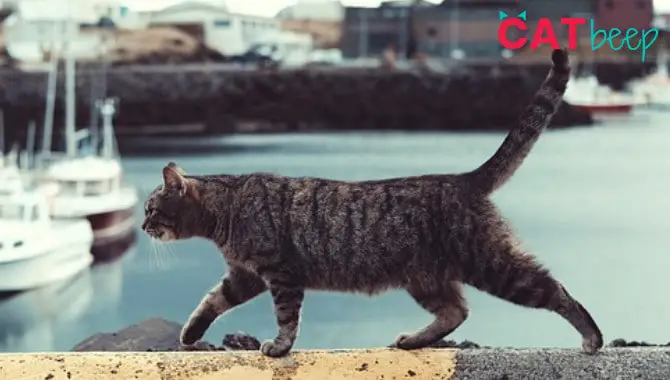
If you’re the proud owner of a Persian cat, you know that their luxurious, long coats require regular maintenance. Persian cats are known for their beauty and elegance but require attention to their grooming needs to keep their fur healthy and mat-free. In this section, we will discuss the best practices for grooming Persian cats, including brushing and coat maintenance needs.
- Persian cats require regular grooming to maintain their long, luxurious coats.
- Brushing is an essential aspect of Persian cat grooming and prevents tangles, mats, and hairballs.
- Selecting the right grooming tools and techniques can make the brushing experience stress-free for both you and your cat.
- Consistency is key when it comes to grooming Persian cats and maintaining their overall health and well-being.
- Regular grooming can help prevent hairballs and shedding in Persian cats.
The Importance of Brushing Persian Cats
If you have a Persian cat, you know that their stunning long hair requires a lot of maintenance to stay healthy and free of tangles. That’s where brushing comes in – it’s an essential part of your Persian cat’s grooming routine.
Regular brushing helps prevent tangles, mats, and hairballs in your cat’s coat, ensuring their overall well-being. It’s recommended that you brush your Persian cat at least once a day, especially if they have a full coat.
Combing your Persian cat is also important in addition to brushing. Use a metal comb to work through the coat and detangle any knotted areas. If your Persian cat has a particularly thick coat, use a wider-toothed comb to be gentle on their skin.
Not only does brushing help with preventing hairballs and matting, but it can also help strengthen the bond between you and your cat. Regular grooming sessions can be an enjoyable bonding experience for both of you, as long as your cat feels relaxed and comfortable throughout the process.
In summary, brushing and combing your Persian cat regularly is crucial in maintaining a healthy coat and promoting their overall well-being. Incorporate a brushing routine into your daily routine to ensure your cherished feline stays healthy and happy.

When it comes to brushing Persian cats, choosing the right brush is essential for effective grooming. While there are many different types of brushes available, not all are suitable for the unique needs of this long-haired breed.
The best brush for Persian cats is typically one with long, flexible bristles that can reach deep into their thick coats. A slicker brush is a popular option as it can effectively remove tangles and mats without damaging their hair. Another option is a comb with widely spaced teeth, which is ideal for cat owners with cats that have a thinner undercoat.
If you’re unsure which brush to choose, consider consulting with a professional groomer or your veterinarian for recommendations.
When brushing your Persian cat, it’s essential to use gentle techniques to avoid causing discomfort or pain. Start by lightly brushing against the growth of their hair, then follow up with light strokes in the direction of their fur. Be sure to avoid excessive pulling or tugging, as this can cause irritation and even breakage of their hair.
Overall, choosing the right brush and adopting gentle brushing techniques are crucial for maintaining the health and appearance of your Persian cat’s coat.

Regular brushing is crucial for maintaining the health and appearance of your Persian cat’s luxurious coat. Daily brushing is ideal to prevent tangles, mats, and hairballs that can be harmful to your feline companion. However, we understand that life can get busy, and daily brushing might not be feasible for everyone.
If you cannot commit to daily brushing, it is essential to brush your Persian cat at least three to four times a week. This routine will help prevent matting and keep their coat healthy. The frequency of brushing also depends on the thickness of your cat’s fur. If your cat has denser or thicker hair, you might need to brush them more frequently.
It is important to note that neglecting regular brushing sessions can lead to the formation of grooming mats, a common issue for long-haired cats like Persian cats. These mats can cause discomfort, pain, or even infections if left untreated. Therefore, it is crucial to keep an eye out for grooming mats and address them promptly.
If your Persian cat has a grooming mat, do not attempt to remove it with scissors or other sharp instruments. Instead, gently work on the mat with a comb or a de-matting tool, starting at the edge of the mat, and working inward. Seek professional grooming help if the mat is too severe or if you are unsure how to approach it.

Regular brushing times can also be a bonding experience for you and your Persian cat. Choose a time of the day when your feline companion is relaxed, such as after mealtime or in the evening, and make it a routine. With patience and practice, both you and your cat will enjoy the grooming sessions.
Related Posts
- What is the Average Weight by Age of Persian Cats? Exploring The Persian Cat Breed
- How Many Kittens Can Persian Cats Have?
- Do Persian Cats have any known genetic disorders?
- What Colors do Persian Cats Come in? Exploring The Persian Cat Breed
- Should Persian Cats Eat Only Dry Food? Exploring the Persian Cat Breed
The Benefits of Brushing Persian Cats
Regular brushing of your Persian cat’s coat has several benefits that go beyond just maintaining their appearance. Here are some of the key benefits of brushing your Persian cat:
- Removing knots in Persian cat’s fur: Persian cats have long, fine hair that can easily mat and tangle. Regular brushing helps prevent knots from forming and removes any existing tangles, keeping your cat’s fur smooth and healthy.
- Brushing Persian cat’s undercoat: Persian cats have a thick undercoat that can trap dead hair, causing shedding and hairballs. Brushing your cat’s undercoat helps remove loose hair, reducing shedding and the likelihood of hairballs.
- Stimulating circulation: Brushing your cat’s coat helps stimulate their circulation, promoting a healthier coat and skin.
As you can see, brushing your Persian cat’s coat has numerous advantages. In the next section, we will explore the best tools and techniques for gentle and effective brushing.

Introducing your Persian cat to brushing can be a challenge, but with the right tools and techniques, it can be a stress-free experience for both you and your furry friend.
First, it’s essential to choose the right grooming tools. A slicker brush is the best option for Persian cats, as it effectively removes loose hair and prevents matting. You can also consider using a dematting tool or comb for any stubborn tangles.
To introduce your cat to brushing, start slowly and make it a positive experience. Begin by petting your cat with the brush, then gently brush their neck and back. Offer treats and praise for good behavior. Gradually increase the brushing time and be patient.
It’s also important to brush your cat in a quiet, comfortable location, away from distractions like other pets or loud noises. Set up a regular grooming routine to help your cat become accustomed to the process.
Remember to always be gentle when brushing your Persian cat’s luxurious fur. Use short strokes and never pull or tug on their hair, as this can cause discomfort and even pain. With patience and the right techniques, brushing your Persian cat can become an enjoyable bonding experience for both you and your feline friend.

While regular home grooming is crucial, professional grooming can also benefit your Persian cat. By seeking professional grooming services, you can ensure your cat’s coat is maintained and healthy, preventing any matting or tangling that can cause discomfort or pain.
We recommend scheduling a professional grooming session at least once every few months, depending on your cat’s specific needs and coat length. A professional groomer will have the knowledge and expertise to perform a thorough grooming, including a full-body trim, bathing, and nail clipping.
Regular professional grooming can also help maintain the overall health of your cat’s coat. A groomer can identify any potential skin issues or irregularities and provide recommendations for treatment. Additionally, professional grooming can help reduce shedding, which is especially helpful for those with allergies.

Overall, incorporating professional grooming into your Persian cat’s grooming schedule can help ensure their coat stays healthy, clean, and tangle-free. Be sure to discuss your cat’s individual needs with your groomer to ensure a personalized and effective grooming experience.
Preventing Hairballs in Persian Cats
Persian cats are known for their long, luxurious coats, which require regular grooming to stay healthy and free of tangles and mats. Unfortunately, their thick fur also makes them more prone to hairballs. Hairballs form when cats ingest hair during grooming, and the hair collects in their digestive tract, causing discomfort and potentially leading to serious health issues. To prevent hairballs from becoming a problem, it’s important to establish good grooming habits and understand your Persian cat’s unique needs.
Brushing Persian kittens: If you have a Persian kitten, it’s essential to start grooming them early to get them used to the process. Use a small, soft brush to gently remove loose fur and tangles, taking care not to pull or tug at their sensitive skin. Gradually increase the frequency and intensity of brushing as they grow older.
Persian cat’s grooming habits: In addition to regular brushing, you can help prevent hairballs by encouraging other healthy grooming habits. Provide your cat with plenty of fresh water to help flush out their digestive system, and add a small amount of canned pumpkin to their diet to aid in digestion. You may also consider using an over-the-counter hairball control product, but always consult with your vet first.
Preventing hairballs in Persian cats: The best way to prevent hairballs in Persian cats is through regular brushing. Use a brush specifically designed for long-haired cats to remove loose fur and tangles, and be sure to brush all the way down to the undercoat to prevent matting. Consider using a detangling spray or conditioner to make brushing easier and more effective. You may also want to trim your cat’s fur regularly to prevent it from getting too long and tangled.

By establishing good grooming habits and understanding your Persian cat’s unique needs, you can help prevent hairballs and keep your furry friend healthy and happy.
Recommended Grooming Products for Persian Cats
Grooming Persian cats involves more than just brushing their long hair. It also requires using the right grooming products to keep their coats looking their best. Here are some recommended grooming products for your Persian cat:
Shampoo:
A high-quality shampoo designed for long-haired cats like Persians is essential for their grooming routine. Look for a gentle formula that won’t strip their fur of natural oils. Some popular options include TropiClean Luxury 2-in-1 Shampoo and Conditioner and Earthbath Oatmeal and Aloe Shampoo.
Conditioner:
Using a conditioner after shampooing can help detangle your Persian cat’s hair and leave it soft and shiny. Look for a formula specifically designed for cats, like PetAg Fresh ‘n Clean Creme Rinse Conditioner or Burt’s Bees for Cats Dander Reducing Spray.
Detangler:
To prevent mats and tangles in your Persian cat’s hair, a detangling spray or solution can be helpful. These products work to loosen knots and make brushing easier. Try Chris Christensen Ice on Ice Conditioner or The Coat Handler Undercoat Control Conditioner.
Grooming Tools:
While brushing is the primary grooming tool for Persian cats, other tools can also be useful. A wide-toothed comb and a de-shedding tool can help remove loose hair and prevent hairballs. Some popular options include the JW Pet Gripsoft Double Row Undercoat Rake and the Furminator deShedding Tool.

Using the right grooming products can help maintain the health and beauty of your Persian cat’s coat. By incorporating these products into your cat’s grooming routine, you can ensure their fur remains soft, shiny, and comfortable.
Addressing Grooming Challenges for Persian Cats
While Persian cats are known for their luxurious and beautiful long hair, grooming them can pose certain challenges. Matting, knots, and shedding are common issues that Persian cat owners face, but with the right tools and techniques, you can overcome them effectively. In this section, we will address some of the most common grooming challenges for Persian cats and provide tips and solutions to help you maintain your cat’s coat health.
Persian cat grooming challenges: One of the primary challenges of grooming a Persian cat is the possibility of matting and knots in their long hair. These tangles can be painful and uncomfortable for your cat, and if left unaddressed, can lead to more significant issues. Another challenge is shedding, which can be especially frustrating for those with allergies or who prefer to keep a clean home.
Persian cat grooming needs: Persian cats require regular grooming to maintain their coat health and prevent matting and shedding. Daily brushing is recommended, but even weekly grooming sessions can make a significant difference in the health and appearance of your cat’s hair.
Persian cat grooming difficulty: Grooming can be a challenging task for both cats and their owners, but it doesn’t have to be. With the right tools and techniques, you can make grooming a stress-free experience for both you and your cat.
To address matting and knots in Persian cat’s long hair, regular brushing is key. Using a wide-toothed comb can help detangle the knots gently. For stubborn tangles, carefully cutting them out with scissors may be necessary. To combat shedding, consider using a shedding tool or brush to remove loose hair from the undercoat.
Another challenge of grooming Persian cats is the sensitivity of their skin. When brushing your cat’s long hair, be gentle and avoid pulling or tugging on the hair. Additionally, be sure to use the appropriate grooming tools designed for your cat’s hair type to avoid discomfort or injury.
In conclusion, while grooming Persian cats can pose certain challenges, with the right tools and techniques, you can maintain your cat’s coat health and keep their fur looking beautiful and luxurious. Regular brushing, using the appropriate grooming tools, and addressing matting and shedding are essential elements of a successful grooming routine for your beloved Persian cat.

Now that you have learned about the importance of grooming Persian cats, it’s essential to establish and maintain a consistent grooming routine. Regular grooming sessions can prevent matting, tangles, and hairballs in your cat’s long coat.
You should set aside time each day for brushing and combing your cat’s fur. The amount of time required for each session will depend on your cat’s individual needs, but aim for at least 15-20 minutes per day.
In addition to regular brushing, it’s important to schedule professional grooming appointments every few months to ensure your cat’s coat remains healthy and mat-free.
When it comes to grooming tools, invest in high-quality combs and brushes designed specifically for Persian cats. Look for products with soft bristles to avoid irritating your cat’s skin and causing discomfort during the grooming process.
Overall, maintaining a consistent grooming routine is essential for the health and well-being of your Persian cat. By incorporating regular grooming sessions, scheduling professional appointments, and using the right tools and techniques, you can keep your cat’s coat in optimal condition and prevent potential health issues.

Regular grooming is essential for the health and well-being of Persian cats. By following the tips and techniques outlined in this guide, you can establish a stress-free grooming routine that benefits both you and your feline companion.
Remember the Importance of Brushing
Brushing your Persian cat’s coat helps prevent tangles, mats, and hairballs. A regular grooming routine is essential for their overall health and well-being. When brushing your Persian cat, be sure to choose the right brush for their specific needs, and maintain a consistent brushing schedule.
Use the Right Tools for Stress-Free Grooming
Choosing the right grooming tools and techniques can make the grooming experience more enjoyable for both you and your cat. Be sure to choose brushes and combs that are suited to their specific coat type, and introduce brushing gradually to help ease your cat into the grooming process.
Seek Professional Grooming Services
Professional grooming services can supplement your at-home grooming routine and ensure your Persian cat’s coat remains healthy and well-maintained. Consider seeking professional grooming services on a regular basis to help maintain the overall health of their coat.
Address Grooming Challenges Effectively
Grooming Persian cats can pose specific challenges, such as matting, knots, and shedding. However, by following the solutions and tips provided in this guide, you can overcome these difficulties and maintain a consistent grooming routine.
Remember to use recommended grooming products and establish a regular grooming schedule. With proper care and attention, your Persian cat’s luxurious coat will remain healthy and beautiful for years to come!
Do Persian Cats Enjoy Being Groomed with Water?
Persian cats and their relationship with water can be quite interesting. While many cats are not fond of water, some Persian cats surprisingly enjoy being groomed with water. This may be attributed to their thick and long fur, which requires regular maintenance. It is always crucial to introduce water grooming gradually and ensure the cat feels comfortable throughout the process.
FAQ
Q: Do Persian cats like to be brushed?
A: Yes, Persian cats generally enjoy being brushed as it helps keep their coat clean and healthy.
Q: Why is brushing important for Persian cats?
A: Brushing is important for Persian cats because it helps prevent tangles, mats, and hairballs in their long coats. It also promotes circulation and a healthier coat.
Q: What is the best brush for Persian cats?
A: The best brush for Persian cats is a wide-toothed comb or a slicker brush designed for long-haired breeds. These brushes effectively remove loose hair and detangle their fur without causing discomfort.
Q: How often should I brush my Persian cat?
A: It is recommended to brush your Persian cat at least once a day to prevent mats and tangles. However, the frequency may vary depending on your cat’s coat and grooming needs.
Q: What are the benefits of brushing Persian cats?
A: Brushing Persian cats offers several benefits, including preventing mats and tangles, stimulating circulation, promoting a healthier coat, and removing loose hair and knots from their undercoat.
Q: How can I make brushing stress-free for my Persian cat?
A: To make brushing stress-free for your Persian cat, introduce them to the grooming routine gradually, use gentle techniques, and provide positive reinforcement. It may also be helpful to choose grooming tools specifically designed for their needs.
Q: Should I consider professional grooming for my Persian cat?
A: While regular home grooming is essential, professional grooming can also benefit Persian cats. It is recommended to seek professional grooming services periodically to maintain the overall health of their coat.
Q: How can I prevent hairballs in my Persian cat?
A: Regular brushing helps prevent hairballs in Persian cats by removing loose hair and reducing the amount that they ingest during grooming. Additionally, incorporating grooming habits that aid in hairball prevention, such as providing a high-fiber diet, can be helpful.
Q: What grooming products are recommended for Persian cats?
A: Recommended grooming products for Persian cats include shampoos, conditioners, detanglers, and brushes specifically designed for their needs. It is important to choose products that are gentle and suitable for their sensitive skin.
Q: How can I address grooming challenges for my Persian cat?
A: Grooming challenges for Persian cats, such as matting, knots, and shedding, can be addressed by using proper techniques, such as using detangling sprays and working through knots gently. Regular brushing and grooming maintenance can also help prevent these challenges.
Q: How do I maintain a consistent grooming routine for my Persian cat?
A: Maintaining a consistent grooming routine for your Persian cat involves establishing a regular schedule, using the right grooming tools, and incorporating specific techniques tailored to their needs. Consistency is key to keeping their coat in optimal condition.
Article by Barbara Read

Barbara Read is the heart and soul behind CatBeep.com. From her early love for cats to her current trio of feline companions, Barbara's experiences shape her site's tales and tips. While not a vet, her work with shelters offers a unique perspective on cat care and adoption.