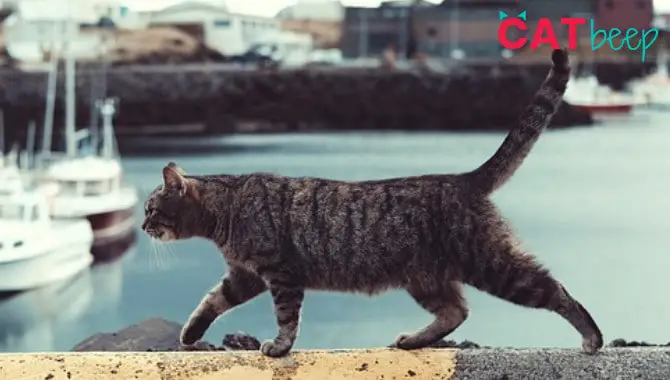
Maine Coon cats are a unique breed known for their size, intelligence, and affectionate personalities. However, when it comes to adapting to new environments, many cat owners wonder how easily they can adjust. In this article, we will explore the adaptability of Maine Coon cats and provide tips for helping them transition to new homes.
Key Takeaways
- Maine Coon cats are generally adaptable to new environments with proper introductions and a gradual transition process
- Creating a comfortable environment and providing a safe space can help Maine Coon cats feel more at home in a new environment
- Maine Coon cats may display natural curiosity when exploring new territories, but proper acclimation is important to ensure their safety
- Gradual introductions to new family members or pets can also aid in their adjustment to a different home
- Maintaining a stable routine can help Maine Coon cats feel more secure during times of change
Understanding the Maine Coon Cat Breed
If you’re considering adopting a Maine Coon cat, it’s important to understand the unique characteristics and traits of the breed. Maine Coon cats are known for their large size, friendly demeanor, and thick, luxurious coats.
These cats have long, fluffy tails, tufted ears, and large paws with fur in between their toes. They come in a variety of colors, including brown, black, white, and orange.
Maine Coon cats are also highly intelligent and curious, making them great companions for families or individuals who enjoy interactive play and plenty of attention.
In addition to their physical and behavioral traits, Maine Coon cats are also known for their adaptability to new environments. This makes them a popular choice for families who may be moving or otherwise experiencing changes in their living arrangements.
Overall, the Maine Coon cat breed is an excellent choice for anyone seeking a loyal, affectionate, and adaptable companion.

Factors Affecting Maine Coon Cats’ Comfort in New Homes
When it comes to introducing a Maine Coon cat to a new environment, there are several challenges you may encounter. As with any cat breed, Maine Coons can feel stressed or anxious when experiencing changes in their surroundings. However, Maine Coons are known for their adaptability and can usually adjust well to new homes with proper care.
How do Maine Coon cats handle change?
It’s essential to understand that Maine Coons, much like other cat breeds, thrive on routines and familiarity. Any significant change in their environment can be stressful and may cause anxiety or other behavioral changes. Your Maine Coon may hide or become less active than usual until they feel safe and comfortable in their new surroundings.
Challenges of introducing a Maine Coon cat to a new environment
When introducing a Maine Coon to a new environment, there are several challenges you may encounter. These include:
- Adjusting to unfamiliar smells and sounds
- Meeting new family members or pets
- Adapting to new daily routines and feeding schedules
Your Maine Coon may need some extra patience and attention during this transition period.
Environmental changes and Maine Coon cat behavior
Even minor changes in the environment can affect your Maine Coon’s behavior. Loud noises, new smells, and changes in feeding or exercise schedules can cause stress and anxiety. When introducing your Maine Coon to a new environment, it’s essential to make gradual changes and create a comfortable and safe space for them that includes familiar objects and scents.
Consider setting up a space just for your Maine Coon, complete with their bedding, toys, and food and water bowls. This way, they have a designated area where they can feel safe and secure.
It’s important to note that your Maine Coon may take some time to adjust to their new environment. However, with patience and care, they can acclimate and feel right at home in no time.

Tips for Helping Maine Coon Cats Adjust to New Environments
As a Maine Coon cat owner, you may wonder how to help your feline friend adjust to a new environment. Maine Coon cats tend to prefer stability and may take some time to feel comfortable in unfamiliar surroundings. Here are some tips to assist in their transition:
| Tips | Explanation |
|---|---|
| Provide a safe space | Ensure your Maine Coon cat has a dedicated space in the new environment that is quiet, secure, and comfortable. This can be a cozy bed, a room with plenty of toys, or a spot in a closet. This space will provide a sense of security and help them adjust to the new territory. |
| Maintain a routine | Maine Coon cats thrive on routine, so try to maintain a similar schedule to what they are used to. This includes feeding times, playtime, and cuddle time. Keeping a consistent routine can help them feel more comfortable and at ease in their new home. |
| Gradual introductions | Introduce your Maine Coon cat to new family members, other pets, or new rooms slowly and gradually. This can help them feel more comfortable and reduce any anxiety they may have. Take your time and let them explore at their own pace. |
| Provide familiar scents | Bring along familiar scents from their old environment, such as their bedding or toys. The familiar scents can help them feel more at ease and comfortable in their new space. |
| Be patient | Remember that adjusting to a new environment can take time for Maine Coon cats. Be patient and provide plenty of love, reassurance, and positive reinforcement. With time and patience, your cat will feel comfortable and right at home in their new surroundings. |
By following these tips, you can help ensure a smoother transition for your Maine Coon cat to their new environment. Remember, providing a safe and comfortable space, maintaining a routine, gradually introducing them to new things, providing familiar scents, and being patient are all key to helping your Maine Coon cat feel safe and secure in their new home.

Maine Coon Cats’ Gradual Adjustment to Changes
When introduced to a new environment, Maine Coon cats may take time to adjust and acclimate. Maine Coon cats and their gradual adjustment to changes is a natural process that allows them to develop a sense of familiarity and comfort in their new surroundings.
It’s essential to understand that Maine Coon cats thrive on structure and routine, making their affinity for routine in new settings a crucial consideration during their transition period. Keeping their environment as consistent as possible will help ease the transition and reduce stress.
During the transition period, gradual introductions to new environments are vital to ensure the cat’s comfort and safety. It’s essential to introduce new spaces one at a time, allowing the cat to explore and adjust to each area gradually.
Incorporating familiar items, such as their bed or blanket, can also help in providing a sense of security and comfort, making the transition easier for the cat.
Examples of gradual adjustment
| Week 1 | Allow the cat to stay in one room for a few days, with food, water, litter box, and toys. Make sure to spend time with the cat in this room and provide attention and reassurance. |
|---|---|
| Week 2 | Introduce one additional room, allowing the cat to explore at their own pace. Make sure to spend time in both rooms throughout the day. |
| Week 3 | Introduce another room, keeping the same routine of spending time in all three rooms. |
| Week 4 | Allow the cat to explore the entire house, making sure to keep the same routine of spending time in each room. |
As the cat adjusts to each new environment, it’s essential to monitor their behavior and provide additional support if necessary. Over time, the cat will begin to feel more comfortable and confident in their new surroundings, allowing them to explore and thrive in their new home.

The Role of a Comfortable Environment for Maine Coon Cats
When transitioning to a new environment, Maine Coon cats may experience stress and anxiety. However, creating a comfortable and safe space for them can help alleviate these feelings and ease the adjustment process.
Maine Coon cats are highly sensitive to changes in their environment and routine. Therefore, it’s essential to provide them with a stable and consistent living space to help them feel secure and at ease.
Image alt text: Maine Coon cat resting in a cozy cat bed
One way to create a comfortable environment for your Maine Coon cat is to provide them with a dedicated space where they can retreat and relax. This could be a cozy cat bed, a scratching post, or a hiding spot.
Additionally, incorporating familiar scents and objects from their previous living space can also help ease their transition. This could include their favorite toys or blankets, or items that carry the scent of their previous home.
It’s important to note that Maine Coon cats may take some time to adjust to their new surroundings, and their behavior may change during this time. However, with a comfortable environment and patience, they will eventually adapt and feel at home in their new space.
Table: Factors that can impact Maine Coon cats’ comfort in a new environment
| Factor | Impact on Comfort |
|---|---|
| Changes in routine | May cause stress and anxiety |
| Introduction to new people/pets | May cause fear and mistrust |
| Unfamiliar surroundings | May cause disorientation and confusion |
| Uncomfortable living conditions | May cause discomfort and distress |
Overall, creating a comfortable and safe environment is crucial for Maine Coon cats when adjusting to a new home. By taking the time to provide them with a dedicated space and incorporating familiar objects, you can help ease their transition and ensure they feel happy and at ease in their new surroundings.
Maine Coon Cats’ Exploration and Adjustment in New Territories
Maine Coon cats are known for their natural curiosity and love for exploring new spaces. They have a keen sense of adventure, and this is reflected in their behavior as they roam around and get comfortable in unfamiliar places.
Despite their fascination for new surroundings, Maine Coon cats may still need time to adjust before they can fully enjoy and find comfort in unfamiliar places. This is why it is important to introduce them gradually to new territories, allowing them to explore at their own pace without feeling overwhelmed.

In finding comfort in unfamiliar places, Maine Coon cats tend to be selective. They may choose a specific spot or corner where they feel safe and secure. This is why it is important to provide them with a safe space, such as a cozy cat bed or a comfy hiding spot. It helps them feel more confident in their new environment and less likely to feel stressed or anxious.
Exploring new territories is essential for Maine Coon cats to adapt and get used to their new surroundings. However, it is also important to note that sudden changes can be disruptive, and they may need time to readjust and regain their balance. This is why patience, consistency, and gradual introductions are crucial in helping them feel comfortable and settled in their new home.
Adapting to a Different Home with a Maine Coon Cat
Transitioning to a new home can be stressful for Maine Coon cats, especially when introducing them to new family members or pets. However, with patience and careful planning, you can help ease their transition and ensure a smooth adjustment.
When bringing your Maine Coon cat to a new home, it’s important to create a safe and secure space for them. This can be achieved by setting up a comfortable area with their favorite toys, bedding, and food and water bowls. Ensure that the litter box is in a quiet location and accessible at all times.
It’s recommended to introduce your Maine Coon cat to one room at a time, gradually expanding their territory as they become more comfortable. This allows them to become familiar with one area and feel secure before moving on to explore the rest of the house.
If you have other pets in the home, it’s important to make introductions slowly and carefully. Keep the Maine Coon cat separated from other pets at first, allowing them to get used to each other’s scents before introducing them in a controlled environment.
Tip: Consider using pheromone sprays or diffusers to help ease your Maine Coon cat’s anxiety during the transition period.
| Do: | Don’t: |
|---|---|
| Provide a comfortable and familiar space | Rush the introduction process |
| Introduce one room at a time | Force interactions with other pets |
| Use pheromone sprays or diffusers | Leave the Maine Coon cat alone for long periods |
Remember, Maine Coon cats thrive on stability and routine. Establishing a consistent schedule for feeding, playtime, and grooming can help them feel more at ease in their new surroundings. With patience and a little extra attention, your Maine Coon cat will be able to adjust to their new home and become a happy and beloved member of the family.

Maine Coon Cats and Their Resilience During the Transition Period
Transitioning to a new home can be a stressful period for Maine Coon cats. However, they are known for their resilience and ability to adapt to new environments.
Gradual introductions to new environments can greatly aid in the adjustment process. This can involve slowly introducing your cat to different rooms in the house, allowing them to explore and become familiar with their new surroundings at their own pace.
During this transition period, it is important to establish a strong bond with your cat. Interacting with them, providing playtime and comfort, will help them feel safe and secure in their new environment.
Allowing your Maine Coon cat to have their own space where they can retreat to will also help them feel secure. This could be a cozy bed or a private spot in a room where they feel safe and comfortable.
The Bonding Process with Your Maine Coon Cat
It is essential to establish a strong bond with your Maine Coon cat during the transition period. This can involve spending time with them, providing affection and attention, and engaging in activities such as playtime.
The bonding process enables your cat to feel a sense of security and familiarity with their new environment. It also helps to establish a routine, which is important for Maine Coon cats, who thrive on stability and structure.
Creating a consistent feeding schedule can also aid in the transition period. Providing meals at the same time every day can help establish a sense of routine and familiarity for your cat.
Summary
During the transition period, a gradual approach to introducing your Maine Coon cat to their new environment can help them feel safe and secure. The bonding process is also essential in establishing a sense of familiarity and routine for your cat. With patience, love, and care, your Maine Coon cat will adjust to their new home in no time.

Maine Coon Cats and Their Adaptability to Different Living Conditions
Maine Coon cats are known for their adaptability to different living arrangements. They are versatile and can thrive in various environments, from small apartments to large houses. When adjusting to a new home, Maine Coon cats may need time to acclimate, but their ability to adjust is impressive.
However, it’s important to note that Maine Coon cats can be sensitive to changes in routine. They may feel most comfortable in familiar surroundings and may take some time to adjust to a new schedule. As their owner, it’s essential to create a stable and predictable routine, especially during the transition period.
When introducing a Maine Coon cat to a new home, it’s essential to provide a safe and secure environment. They need a space to call their own, where they feel comfortable and safe. This can be accomplished by setting up a designated area with their favorite toys, blankets, and bedding.

Another factor that may impact a Maine Coon cat’s adaptability is their age. Younger cats may adjust more quickly and easily, while older cats may need more time and patience during the transition. If you’re introducing an older Maine Coon cat to a new home, a gradual approach may be necessary.
It’s essential to remember that every cat is unique and may have different needs when adjusting to a new environment. As their owner, you play a critical role in creating a comfortable and stable environment for your Maine Coon cat. By providing them with a predictable routine, a safe space, and plenty of love and attention, they will adjust and thrive in their new home.
Conclusion
If you are considering bringing a Maine Coon cat into your home, it is important to understand that while they are known for their adaptability, they still require a stable and comfortable environment to thrive. Their gradual adjustment to new environments can be aided by providing a safe and secure space, gradual introductions, and plenty of love and attention.
While Maine Coon cats may experience some challenges during the transition period, their resilience and natural curiosity can help them quickly find comfort in unfamiliar spaces. By following the tips and advice provided in this article, you can help ensure a smooth and successful transition for both you and your new furry friend.
Remember:
Maine Coon cats are highly adaptable, but it is important to create a stable and secure environment for them to thrive in. With patience and effort, they can easily adjust to changes and become beloved members of your family.
FAQ
Do Maine Coon Cats Adjust Well to New Environments?
Yes, Maine Coon cats are known for their adaptability to new environments. They can adjust well to changes in their surroundings and quickly acclimate to different living conditions.
What are the characteristics of the Maine Coon cat breed?
Maine Coon cats are large, sturdy, and have a distinctive appearance with tufted ears and a long, bushy tail. They are known for their friendly and sociable nature, intelligence, and playful demeanor.
What factors can affect a Maine Coon cat’s comfort in a new home?
Maine Coon cats may face challenges when transitioning to a new home, including changes in their environment, unfamiliar smells, and the presence of other pets. These factors can impact their comfort and behavior during the adjustment period.
How can I help my Maine Coon cat adjust to a new environment?
To help your Maine Coon cat adjust to a new environment, provide a stable and secure space for them. Gradually introduce them to different areas of the house, and ensure they have familiar items, such as bedding and toys, to help them feel safe and secure.
How do Maine Coon cats gradually adjust to changes?
Maine Coon cats prefer routine and may take some time to adjust to changes. By gradually introducing them to new situations and providing a consistent environment, they can gradually adapt and feel more comfortable.
Why is a comfortable environment important for Maine Coon cats?
Providing a comfortable environment is crucial for Maine Coon cats because it helps reduce stress and anxiety. They need a safe space where they feel secure, which helps them adjust and thrive in their new surroundings.
Do Maine Coon cats explore and adjust in new territories?
Yes, Maine Coon cats have a natural curiosity and will explore new territories. However, it’s important to properly introduce them to unfamiliar spaces, allowing them to acclimate at their own pace and feel comfortable in their new surroundings.
How do Maine Coon cats adapt to a different home?
Maine Coon cats can adapt to a different home by gradually introducing them to their new environment and providing them with a sense of security. It’s important to give them time to bond with new family members or pets and ensure a smooth transition.
Are Maine Coon cats resilient during the transition period?
Yes, Maine Coon cats are generally resilient during the transition period. They can form strong bonds with new owners and gradually adjust to their new surroundings. Gradual introductions and creating a comforting environment can help facilitate this process.
How adaptable are Maine Coon cats to different living conditions?
Maine Coon cats are known for their adaptability to different living conditions. However, they can be sensitive to changes in routine, so maintaining a consistent schedule and providing a stable environment is important for their overall well-being.
Article by Barbara Read

Barbara Read is the heart and soul behind CatBeep.com. From her early love for cats to her current trio of feline companions, Barbara's experiences shape her site's tales and tips. While not a vet, her work with shelters offers a unique perspective on cat care and adoption.