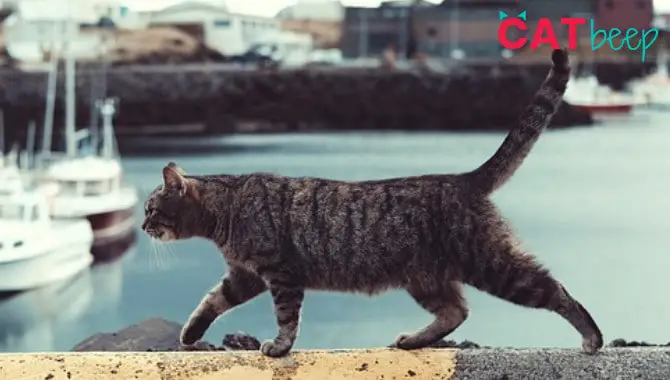
Abyssinian Cats are a beloved breed known for their striking coats and playful personalities. As a pet owner, it’s important to be aware of any potential health concerns that may affect your furry friend. One area of concern for Abyssinian Cats is their genetic health. While this breed doesn’t have as many known genetic disorders as some other breeds, there are still some health conditions for owners to be aware of.
Genetic disorders in Abyssinian Cats can range from mild to severe and can potentially impact the cat’s lifespan and quality of life. Some of the health concerns that Abyssinian Cats may be prone to include:
- Progressive retinal atrophy (PRA)
- Renal amyloidosis
- Patellar luxation
- Porphyrin-related dermatitis
While these conditions may sound concerning, it’s important to remember that not all Abyssinian Cats will develop these disorders. However, as a proactive pet owner, it’s important to educate yourself on potential health risks and to work with your veterinarian to ensure your cat’s health and well-being.
Key Takeaways
- Abyssinian Cats may be prone to certain genetic disorders
- Health conditions range from mild to severe and can impact a cat’s quality of life
- Common conditions include PRA, renal amyloidosis, patellar luxation, and porphyrin-related dermatitis
- Not all Abyssinian Cats will develop genetic disorders, but it’s important to be aware of potential health risks
- Consult with your veterinarian to ensure your cat’s health and well-being
Abyssinian Cats and their genetic makeup
Abyssinian cats have a unique genetic profile that can influence their overall health and susceptibility to certain diseases. As a breed, they are generally considered to be healthy, but like any animal, they can still be prone to certain genetic conditions and disorders.
Their genetic profile can also be a factor in their longevity, as some genetic conditions can shorten a cat’s life span. It is important for Abyssinian cat owners to understand the breed’s genetic makeup and potential vulnerabilities to ensure their feline friends live long and healthy lives.
Abyssinian Cats and Genetic Conditions
Research has shown that some genetic conditions are more prevalent in Abyssinian cats than in other breeds. For example, a study conducted by the University of California, Davis found that Abyssinian cats have a higher risk of developing aortic stenosis, a heart condition that can lead to heart failure.
Other genetic conditions that have been found to be more common in Abyssinian cats include:
- Feline Infectious Peritonitis (FIP)
- Progressive Retinal Atrophy (PRA)
- Pyruvate Kinase Deficiency (PKD)
While these genetic conditions are more common in Abyssinian cats, it is important to note that not all cats of this breed will develop them. However, genetic testing can help identify potential vulnerabilities and allow for early intervention and treatment if necessary.
Abyssinian Cats and Their Genetic Health Profile
While Abyssinian cats may be vulnerable to certain genetic conditions, they also have genetic traits that can contribute to their overall health and well-being. For example, Abyssinian cats have been found to have a higher resistance to certain types of infections and parasites, such as ringworm and fleas.
Additionally, their genetic profile can influence their coat color and texture, which can impact their overall health. For example, Abyssinian cats with a silver coat have been found to be more prone to skin allergies and other skin conditions.
Abyssinian Cats and Their Genetic Vulnerability
While Abyssinian cats have genetic traits that can contribute to their health, their genetic vulnerability should not be overlooked. Some genetic conditions can be debilitating or even fatal, making it important for owners to prioritize genetic testing and regular veterinary check-ups.
Knowing your Abyssinian cat’s genetic vulnerabilities can also help you make informed decisions about breeding. Responsible breeding practices can help minimize the prevalence of genetic disorders within the breed and ensure the health of future generations of Abyssinian cats.

Related Posts
Common Genetic Disorders in Abyssinian Cats
While Abyssinian Cats are generally a healthy breed, they may be prone to certain genetic disorders. These conditions can manifest in various ways, depending on the particular disorder and its severity. Owning an Abyssinian Cat means taking responsibility for their health, which includes being aware of the potential genetic risks they may face.
Pyruvate Kinase Deficiency (PKD)
PKD is a rare genetic disorder that affects the red blood cells of Abyssinian Cats. This condition occurs when the cat’s body is unable to produce pyruvate kinase, an enzyme essential for energy metabolism in red blood cells. Common symptoms of PKD include lethargy, decreased appetite, and pale gums. PKD is usually diagnosed through a blood test and can be managed through regular monitoring and supportive care.
Progressive Retinal Atrophy (PRA)
PRA is a genetic disorder that causes the gradual degeneration of the retina, leading to eventual blindness. PRA is more common in Abyssinian Cats than in other breeds, and symptoms typically manifest between 1-2 years of age. There is no cure for PRA, but early detection can prevent the progression of the condition. Genetic testing is available to determine whether a cat is a carrier of the PRA gene, and breeders can use this information to reduce the prevalence of the disorder in their breeding programs.
Amyloidosis
Amyloidosis is a genetic disorder that occurs when amyloid proteins accumulate in various organs of the body, leading to organ dysfunction. Abyssinian Cats are particularly susceptible to renal amyloidosis, which can lead to renal failure if left untreated. Symptoms of amyloidosis include weight loss, vomiting, and diarrhea. Diagnosis involves a combination of blood tests, urine tests, and imaging studies. Treatment options vary depending on the severity of the condition and may include medication and dietary adjustments.
It is important to note that these are just a few examples of the potential genetic disorders that Abyssinian Cats may face. Regular veterinary check-ups and genetic testing can help identify these conditions early on, allowing for more effective management and treatment.

“As with any pet, it is important to do your research and understand the potential health risks associated with your chosen breed. By being proactive and informed, you can help ensure that your Abyssinian Cat lives a happy and healthy life.”
Abyssinian Cats and Breed-Specific Diseases
Abyssinian Cats are a unique breed that can be prone to certain inherited disorders. As an owner, it is important to be aware of these breed-specific diseases to ensure your cat receives the proper care and treatment.
One common inherited disorder in Abyssinian Cats is Pyruvate kinase deficiency (PKD). This is a genetic disorder that affects the cat’s red blood cells and can cause anemia, jaundice, and other related health problems. According to a study by the American Journal of Veterinary Research, Abyssinian Cats have a higher prevalence of PKD compared to other cat breeds.
Another inherited disorder that can affect Abyssinian Cats is Renal Amyloidosis. This is a genetic condition that affects a cat’s kidneys and can cause kidney failure. It is important to note that not all Abyssinian Cats will develop this condition, but it is more prevalent in this breed compared to others.
Additionally, Abyssinian Cats can be prone to dental issues, such as periodontal disease. This can be caused by their unique tooth shape and can lead to oral pain, tooth loss, and other related health issues.
| Disease/Condition | Prevalence in Abyssinian Cats |
|---|---|
| Pyruvate kinase deficiency | Higher than other cat breeds |
| Renal Amyloidosis | More prevalent in Abyssinians |
| Periodontal Disease | Common in Abyssinians |
It is important to note that not all Abyssinian Cats will develop these breed-specific diseases and disorders. However, being aware of the potential risks can help owners monitor their cat’s health and seek treatment if necessary.

Genetic Health Risks in Abyssinian Cats
Abyssinian Cats are generally healthy, but like all living creatures, they are still susceptible to certain genetic health risks. These risks can arise from inherited genetic factors, which can cause abnormalities and disorders. It is important for Abyssinian Cat owners to be aware of these risks so they can take steps to ensure their cats have the best possible health and well-being.
One of the most common genetic abnormalities found in Abyssinian Cats is pyruvate kinase deficiency (PKD), which is an inherited blood disorder that can result in anemia, lethargy, and other health issues. Cats with this condition often have a shorter lifespan and require ongoing medical care.
Another genetic health risk for Abyssinian Cats is a heart condition called hypertrophic cardiomyopathy (HCM), which causes the heart muscle to thicken, making it harder for the heart to pump blood effectively. This condition can lead to heart failure and sudden death if not diagnosed early and managed properly.
| Genetic Health Risk | Description |
|---|---|
| Pyruvate kinase deficiency (PKD) | An inherited blood disorder that can result in anemia, lethargy, and other health issues. |
| Hypertrophic Cardiomyopathy (HCM) | A heart condition that causes the heart muscle to thicken, making it harder for the heart to pump blood effectively. |
Aside from these specific genetic conditions, Abyssinian Cats may also be prone to other genetic abnormalities that can impact their health and well-being. These include issues with their liver, kidneys, and immune system.
How to Minimize Genetic Health Risks in Abyssinian Cats
To help minimize genetic health risks in Abyssinian Cats, it is recommended to have regular check-ups with a veterinarian. Early diagnosis and treatment are crucial for managing any genetic health conditions that may arise.
Additionally, genetic testing can help identify potential genetic abnormalities early on, allowing for proactive treatment and management. Breeding Abyssinian Cats with a known history of genetic health issues should be avoided to prevent passing these conditions on to offspring.
By staying informed and taking proactive steps to manage genetic health risks, Abyssinian Cats can live long, healthy lives.

Conclusion
As a responsible Abyssinian Cat owner, it is important to be aware of potential genetic health risks associated with this unique breed. While Abyssinian Cats may have a relatively low incidence of known genetic disorders, regular veterinary check-ups and genetic testing can help mitigate these risks and ensure that your cat lives a healthy and vibrant life.
Take a proactive approach to your cat’s health
It is recommended that you discuss any potential health concerns with your veterinarian and consider genetic testing for your Abyssinian Cat. This can help identify any potential genetic abnormalities and allow for early intervention and treatment. Additionally, make sure your cat receives regular check-ups and vaccinations to maintain their overall health and well-being.
Monitor your cat’s behavior and health
As an Abyssinian Cat owner, it is important to monitor your cat’s behavior and health regularly. This can help detect any potential health problems early on and allow for prompt treatment. Be aware of any changes in appetite, behavior, or energy levels, as these can be signs of underlying health issues.
Care for your Abyssinian Cat with love and attention
Abyssinian Cats are known for their intelligence, energy, and affectionate personalities. Providing your cat with love and attention can help reduce stress and maintain their overall health and happiness. Regular grooming and playtime can also help strengthen the bond between you and your cat, while also promoting their physical and emotional well-being.
In conclusion, by taking a proactive approach to your Abyssinian Cat’s health, monitoring their behavior and health regularly, and providing them with love and attention, you can help ensure that they live a long, healthy, and happy life.
Are Abyssinian Cats Prone to Drooling as a Symptom of Genetic Disorders?
Abyssinian cats drooling concern is valid for some genetic disorders. While it’s not a common issue, certain conditions like tooth decay or oral infections can lead to excessive drooling in Abyssinian cats. Regular dental check-ups and proper oral hygiene can help address and prevent drooling in these cats.
FAQ
Do Abyssinian Cats have any known genetic disorders?
Abyssinian Cats are generally considered a healthy breed with a low incidence of known genetic disorders. However, like all cats, they can still be prone to certain health concerns. It is important to provide them with proper care and regular veterinary check-ups to maintain their overall well-being.
What is the genetic makeup of Abyssinian Cats?
Abyssinian Cats have a unique genetic profile that contributes to their distinct characteristics. While they are generally healthy, there may be certain genetic conditions that they may be vulnerable to. It is advisable to learn about their genetic health profile and potential vulnerabilities to ensure their long-term health.
What are the most common genetic disorders found in Abyssinian Cats?
While Abyssinian Cats have a low incidence of known genetic disorders, there are a few conditions that have been observed in the breed. These may include conditions such as progressive retinal atrophy (PRA), amyloidosis, and pyruvate kinase deficiency (PKD). Regular veterinary care and genetic testing can help identify and manage these conditions if they occur.
Are there any breed-specific diseases that affect Abyssinian Cats?
Yes, Abyssinian Cats are known to be susceptible to certain breed-specific diseases. These can include conditions such as renal amyloidosis and hypertrophic cardiomyopathy (HCM). Breeding practices and genetic testing can help minimize the risks associated with these inherited disorders.
What are the genetic health risks associated with Abyssinian Cats?
While Abyssinian Cats generally have good genetic health, there may still be a small risk of genetic abnormalities. These can include conditions such as progressive retinal atrophy, which can cause vision loss, or pyruvate kinase deficiency, which affects red blood cell function. Regular veterinary care and genetic testing can help detect and manage any potential health risks.
Please note that while Abyssinian Cats are generally healthy, individual cats may still experience health issues. It is important to consult with a veterinarian for personalized advice and guidance regarding the health of your Abyssinian Cat.
Article by Barbara Read

Barbara Read is the heart and soul behind CatBeep.com. From her early love for cats to her current trio of feline companions, Barbara's experiences shape her site's tales and tips. While not a vet, her work with shelters offers a unique perspective on cat care and adoption.