If you’re considering bringing a Ragdoll cat into your home, you may be wondering if they can be left alone. The Ragdoll cat breed is known for their loving and affectionate nature, but they also have unique traits that need to be considered when it comes to alone time.
Ragdoll cats are known to be social creatures and typically crave human interaction. They have a low tolerance for solitude and may become anxious or depressed if left alone for too long. However, with proper care and attention, they can adapt to alone time and still thrive.
Key Takeaways:
- Ragdoll cats are a loving and affectionate breed, but they have unique needs when it comes to alone time.
- They have a low tolerance for solitude and may become anxious or depressed if left alone for too long.
- With proper care and attention, Ragdoll cats can adapt to alone time and still thrive.
- Companionship is important for Ragdoll cats, whether it’s from humans or other pets.
- Understanding their emotional needs and providing appropriate care and attention is crucial for a happy Ragdoll cat.
Understanding the Ragdoll Cat Breed
If you are considering adopting a Ragdoll cat, it is essential to understand the breed’s unique characteristics. Ragdoll cats are known for their docile and affectionate nature, making them popular pets for families and individuals looking for a companion.
One of the defining features of the Ragdoll cat breed is their preference for company. While Ragdoll cats are not typically clingy, they do enjoy social interaction and require a certain degree of attention from their owners. They are not known for being particularly independent and may become melancholic or bored if left alone for extended periods.
Ragdoll cats are known for their sweet and gentle disposition, making them excellent family pets. They are also highly adaptable and can thrive in almost any living situation, from small apartments to larger homes.
| Ragdoll cats’ independence level | Ragdoll cats’ preference for company | Ragdoll cats’ need for social interaction |
|---|---|---|
| Not particularly independent | Prefer to have company | Require social interaction |
When it comes to training, Ragdoll cats are generally easy to train and respond well to positive reinforcement. They are intelligent cats and enjoy mental stimulation, which can be provided through interactive toys and puzzle feeders. Providing them with new toys or regularly rotating their existing ones can help keep them entertained and prevent boredom.
Overall, Ragdoll cats are a unique and charming breed that requires a certain level of attention and interaction. Understanding their needs and providing a suitable living environment will ensure a happy and content Ragdoll cat.

Ragdoll Cats’ Ability to Cope with Solitude
Ragdoll cats are known for their affectionate and friendly nature. They crave human company and thrive on attention and affection. However, despite their sociable nature, they can tolerate being alone for short periods. Nonetheless, it’s crucial to keep in mind that every cat is unique, and individual personalities and preferences can influence their response to being left alone.
When left alone, Ragdoll cats tend to behave in different ways depending on their age, personality, and overall health. Some cats may sleep peacefully or entertain themselves with toys, while others may become anxious or destructive.
It’s essential to observe your cat’s response to being left alone and ensure that they are not displaying any signs of distress or anxiety. These could include excessive vocalization, aggression, destructive behavior, or changes in appetite or litter box habits. If you notice any of these behaviors, it’s crucial to address them promptly and seek advice from your veterinarian or a certified animal behaviorist.
When left alone, Ragdoll cats may experience a range of emotions, including boredom, anxiety, and loneliness. It’s essential to provide them with mental stimulation and entertainment to prevent them from becoming bored and anxious. Make sure to leave plenty of toys and scratching posts, rotate their toys periodically, and provide a stimulating environment that encourages exploration.
Moreover, it’s crucial to ensure that your Ragdoll cat has access to food, water, and a clean litter box. Ensure that all potential hazards are removed, such as toxic plants, electrical cords, or sharp objects that could cause harm or injury.
Overall, Ragdoll cats can tolerate being left alone for short periods, but it’s crucial to ensure that their emotional and physical needs are met. Providing them with mental stimulation, entertainment, and a safe and comfortable environment can help prevent behavioral issues and promote their well-being.
Ragdoll Cats’ Emotional Well-being when Left Alone
Leaving your Ragdoll cat alone for extended periods can have a significant impact on their emotional well-being. As social animals, they crave human interaction and thrive on attention and affection.
When left alone for extended periods, Ragdoll cats may experience separation anxiety, which can cause a range of behavioral issues and even physical health problems. They may become anxious, depressed, or destructive, or develop health issues such as stress-related illnesses or obesity.
It’s crucial to provide your Ragdoll cat with companionship and human interaction when you’re away for extended periods. Consider hiring a pet sitter or a trusted friend or family member to check in on them periodically. Alternatively, you may also consider adopting a second cat to provide your Ragdoll cat with a companion.
In conclusion, Ragdoll cats can tolerate being left alone for short periods, but it’s essential to ensure that their emotional and physical needs are met. Observe their behavior and provide them with mental stimulation, entertainment, and a safe environment when you’re away. For extended periods, provide them with companionship and human interaction or consider adopting a second cat.

Factors to Consider When Leaving a Ragdoll Cat at Home
As a Ragdoll cat owner, you may find yourself facing situations where you need to leave your furry friend at home for a certain period. Whether it’s for work, vacation, or any other reason, it’s essential to consider your cat’s well-being and comfort while you’re away. Here are some factors to keep in mind when leaving your Ragdoll cat:
Leaving a Ragdoll Cat for Work or During the Workweek
If you work outside your home, you may need to leave your Ragdoll cat alone during the day. It’s crucial to make sure your cat has everything they need to feel comfortable, safe, and entertained during that time. Consider leaving out some toys, a comfortable bed, and plenty of fresh water and food. Additionally, you should make sure your cat has access to a clean litter box. You may want to consider getting a pet camera to check on your cat during the day.

Leaving a Ragdoll Cat for Short Trips or a Weekend
If you’re leaving your Ragdoll cat alone for a short trip or a weekend, it may be best to arrange for a trusted friend or neighbor to check in on your cat. They can ensure that your cat has enough food and water, clean the litter box, and spend some time playing and interacting with your furry friend. Alternatively, you could consider hiring a cat sitter or boarding your cat at a reputable cat kennel.
Leaving a Ragdoll Cat for Extended Periods or During Vacation
If you plan on leaving your Ragdoll cat alone for an extended period, such as during a vacation, you may want to consider boarding your cat at a reputable cat kennel. This option provides a safe and comfortable environment for your furry friend, with staff on hand to ensure that all their needs are met. Alternatively, you could hire a cat sitter to come to your home and take care of your cat.
Leaving Ragdoll Cats Overnight or for the Day
If you’re leaving your Ragdoll cat alone overnight or for the day, it’s essential to provide them with enough food, water, and a clean litter box. Your cat should also have some toys and a comfortable bed to relax in. Consider leaving some background noise, such as a radio or TV, to provide some comfort and stimulation for your cat.
Remember, Ragdoll cats are social creatures and require human interaction and attention regularly. Before leaving your Ragdoll cat alone, make sure they have enough mental stimulation and companionship to ensure their well-being. By taking these steps to care for your Ragdoll cat while you’re away, you’ll help your cat stay happy and healthy.
Ragdoll Cats’ Mental Stimulation and Entertainment
Ragdoll cats are known for their affectionate and social personalities, and they thrive on human interaction. However, they also have a need for mental stimulation and entertainment, especially when left alone.
Can Ragdoll cats entertain themselves? While they are not typically as independent as some other breeds, they can adapt to being alone and find ways to amuse themselves. However, they still need human interaction and engagement, even if it is through toys, scratching posts, or other forms of entertainment.
The need for mental stimulation is essential for Ragdoll cats’ adjustment to alone time. Boredom can quickly lead to destructive behavior or depression, so ensuring a stimulating environment is crucial. Interactive toys, puzzles, and hiding treats around the home are effective ways to keep your Ragdoll cat occupied and happy.
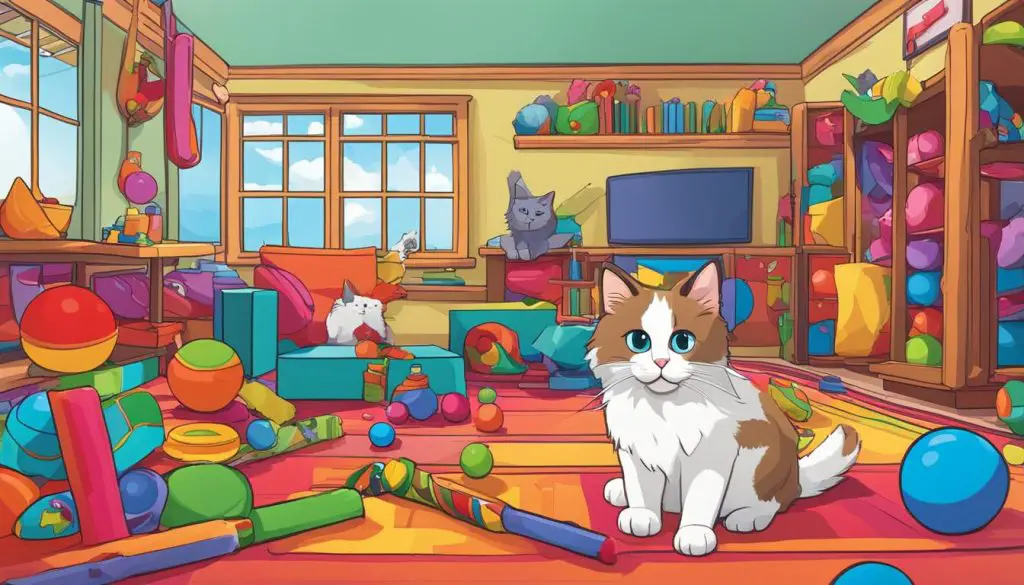
Ragdoll cats’ need for interaction when alone should not be underestimated. While they can entertain themselves to an extent, they still require human interaction and attention. Leaving a radio or television on can provide some comfort, but it is no substitute for the real thing. If you are leaving your Ragdoll cat alone for an extended period, arrange for a trusted caregiver to visit and interact with them.
Ragdoll cats’ ability to adapt to being alone can vary from cat to cat. Some may adjust quickly and comfortably, while others may struggle with loneliness and anxiety. It is important to be patient and understanding during this adjustment period and to provide plenty of reassurance and affection.
Finally, the need for companionship is inherent in Ragdoll cats. They are social creatures and thrive on the company of other cats or humans. Consider adopting a second Ragdoll cat or arranging for playdates with other feline friends to fulfill this need for companionship.
Ragdoll Cats and Separation Anxiety
Ragdoll cats are known for their affectionate and social nature, often seeking out human interaction and companionship. However, when left alone for extended periods, some Ragdoll cats may experience separation anxiety.
Separation anxiety in Ragdoll cats can manifest in various ways, including destructive behavior, excessive meowing or crying, and refusal to eat or use the litter box. This behavior is a result of their emotional distress and discomfort when left alone for extended periods.
Ragdoll cats’ response to being left at home can vary depending on their individual personalities and experiences. Some may cope better than others, while some may require more attention and care to manage their anxiety.
If you suspect that your Ragdoll cat may be experiencing separation anxiety, it is essential to address the issue promptly. Consult with your veterinarian or a professional animal behaviorist to develop a plan that can help manage your cat’s anxiety. This plan may include environmental enrichment, behavior modification techniques, or medication if necessary.
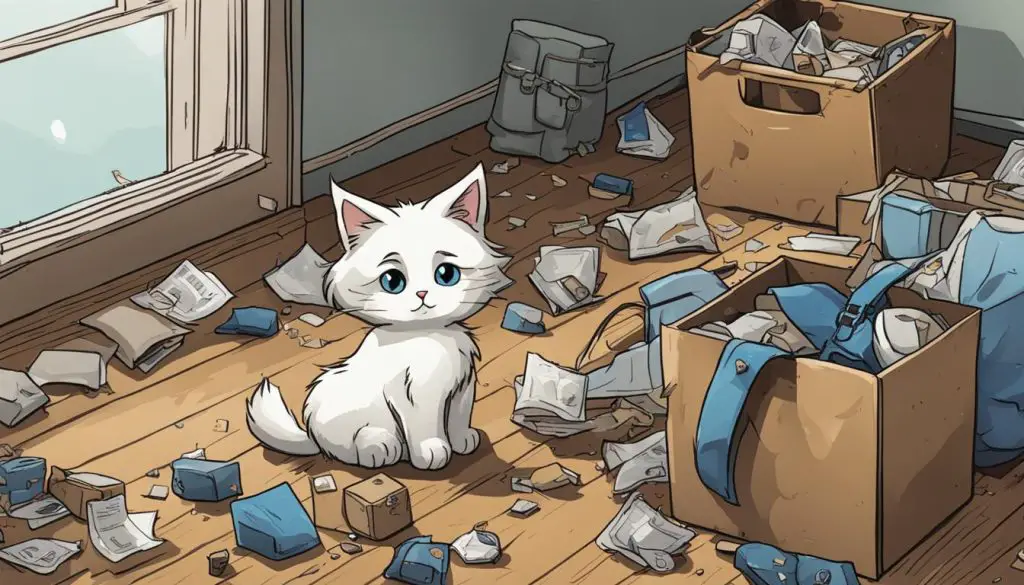
In conclusion, while not all Ragdoll cats may experience separation anxiety, it is crucial to be aware of the signs and symptoms and take appropriate measures to address the issue if it arises. With proper care and attention, your Ragdoll cat can thrive and enjoy a happy and healthy life.
Ragdoll Cats’ Independence and Loneliness
Are Ragdoll cats independent? This is a common question among cat owners. While Ragdoll cats can exhibit independent behavior, they are generally known for their sociability and desire for human attention.
Loneliness is not a trait commonly associated with Ragdoll cats. They thrive on social interaction and companionship, making them an ideal pet for those seeking feline affection.
Can Ragdoll cats be independent? Yes, they can. They enjoy solitude, but their comfort with it varies from individual to individual. Some may be content being left alone for short periods, while others may become anxious or distressed.
Ragdoll cats’ sociability versus solitude is a delicate balance. While they may enjoy alone time, they also crave social interaction and affection. Therefore, if you plan on leaving your Ragdoll cat alone for an extended period, it is essential to ensure they have access to mental stimulation and entertainment.
| Ragdoll Cats’ Comfort with Solitude | Ragdoll Cats’ Adjustment to Alone Time |
|---|---|
| Ragdoll cats have a moderate tolerance for solitude and can adapt to being left alone if provided with adequate mental stimulation and entertainment. | Ragdoll cats can adjust to alone time, but it is important to monitor their behavior and emotional well-being during periods of solitude. |
Overall, Ragdoll cats’ independence level is moderate, and their need for companionship outweighs their desire for solitude. Providing them with adequate mental stimulation and interaction when left alone can help ensure their comfort and happiness.

Leaving Ragdoll Cats: Tips and Recommendations
It’s natural to have concerns about leaving your Ragdoll cat alone at home, but with the right preparation and care, they can handle being left alone for short durations.
Can Ragdoll cats stay home alone? Yes, they can stay home alone for a few hours, but they require your attention and care when you are back home.
Can Ragdoll cats handle being left alone? To some extent, Ragdoll cats can handle being left alone, but they need adequate mental stimulation and interaction to keep them entertained, healthy, and happy.
Can Ragdoll cats stay calm when alone? Ragdoll cats are generally calm and sociable, but if they are left alone for an extended period without the right entertainment and interaction, they may become anxious and stressed.
Can Ragdoll cats survive alone? Ragdoll cats can survive alone, but it’s not recommended to keep them alone for a prolonged period. They thrive on companionship, interaction, and mental stimulation.
Here are some tips and recommendations for leaving your Ragdoll cats at home:
| Duration | Tips/Recommendations |
|---|---|
| Workday | Provide interactive toys, leave a comfortable and safe environment, and ensure they have enough food and water. |
| Vacation | Consider hiring a pet sitter or boarding them at a reputable cattery, ensure they have adequate food, water, and litter, and provide interactive toys and scratch posts. |
| Overnight | Ensure they have enough food, water, and access to the litter box, leave them in a comfortable and safe environment, and provide interactive toys. |
| Extended Periods | Consider hiring a pet sitter, boarding them at a reputable cattery, or asking a trusted friend or family member to check on them regularly, ensure they have enough food, water, and litter, and provide interactive toys and scratch posts. |
By following these tips and recommendations, you can ensure your Ragdoll cats are comfortable, happy, and healthy when you are not around.

Leaving Ragdoll Cats and Ensuring Their Well-being
Leaving your Ragdoll cat at home during the day can be a concern for many cat owners. However, with the right preparation and care, you can ensure that your Ragdoll cat stays happy and comfortable while you’re away.
One key factor to consider is your cat’s need for mental and physical stimulation. Leaving your Ragdoll cat alone during the day without any toys or activities can quickly become boring and cause restlessness.
To ensure their well-being, leave interactive toys or puzzles that will stimulate their minds and encourage physical activity. For instance, you can create a kitty play area with various toys, climbing structures, and scratching posts. This will keep them distracted and entertained while you’re away.
Another important aspect to consider is your cat’s comfort with being alone. Some cats may not mind being alone during the day, while others may feel stressed or anxious. It’s essential to observe your Ragdoll cat’s behavior when left at home and address any signs of distress.
If your cat shows signs of anxiety or restlessness, consider leaving a piece of clothing with your scent on it so they can feel your presence. Additionally, leaving a radio or TV on can provide background noise that can make your cat feel less alone.
A useful tip for leaving your Ragdoll cat at home during the day is to establish a set routine. Cats thrive on routine, and having a predictable schedule can help them adjust to being alone during the day. Try to feed and play with your cat at the same times each day and leave for work or errands at the same time daily.
Leaving your Ragdoll cat at home during the day can be stressful for both you and your pet. However, with some effort and preparation, you can ensure that they stay happy, healthy, and entertained while you’re away.
Example of a play area for your Ragdoll cat
| Toy/Activity | Description |
|---|---|
| Scratching post | A tall scratching post covered in sisal rope to satisfy your cat’s scratching needs and encourage exercise. |
| Puzzle feeder | A puzzle feeder that will keep your Ragdoll cat mentally stimulated while encouraging them to work for their food. |
| Interactive toy | An interactive toy that dispenses treats as your cat plays with it. |
| Ball track | A ball track that will keep your Ragdoll cat entertained for hours as they chase the ball around the track. |
| Climbing structure | A tall climbing structure with various levels and platforms for your Ragdoll cat to climb and explore. |
Providing your Ragdoll cat with a play area like the one above can keep them entertained and mentally stimulated while you’re away during the day.

Understanding Ragdoll Cats’ Emotional Needs
As a Ragdoll cat owner, it’s crucial to recognize and fulfill their emotional needs. Ragdoll cats require human presence and interaction to stay emotionally healthy and happy. They crave attention and thrive on companionship, both with humans and other cats. Your Ragdoll cat must feel loved and secure to prevent anxiety, depression, or any other emotional distress.
When left alone, Ragdoll cats need mental stimulation and entertainment to keep boredom at bay. Provide toys, scratching posts, and other stimulating activities to keep them occupied. Additionally, offering a safe and comfortable space, such as a cozy bed or a window perch, can help them relax and adjust to being alone.
Interact with your Ragdoll cat when you’re home. Playtime, grooming sessions, or cuddling can provide them with the attention and affection they crave. A healthy balance of socialization and alone time can provide your Ragdoll cat with emotional stability and prevent any adverse effects from loneliness or separation anxiety.

“Ragdoll cats are sociable and crave attention and companionship. They love to cuddle, play, and spend time with their humans.”
Ragdoll cats are known for their affectionate and loving nature. They enjoy being around humans and thrive on the attention and affection they receive. Companionship is essential to their emotional well-being, and they’ll often follow their owners around the house or curl up on their laps to feel close to them.
If you leave your Ragdoll cat alone for extended periods, consider hiring a petsitter or asking a friend or family member to check in on them. This can provide your Ragdoll cat with the socialization and interaction they need to remain happy and emotionally stable.
Ultimately, understanding and fulfilling your Ragdoll cat’s emotional needs is crucial for their overall health and happiness. Provide them with the love, attention, and companionship they crave, and they’ll be a joyful and content companion for years to come.
Conclusion
In conclusion, if you are considering getting a Ragdoll cat, it is important to understand their unique needs and characteristics. While Ragdoll cats are generally sociable and enjoy human interaction, they can also tolerate solitude to a certain extent. However, it is crucial to ensure they receive regular companionship and mental stimulation to prevent separation anxiety and loneliness. When leaving your Ragdoll cat at home, it is important to consider various factors such as the duration of your absence. Providing them with toys, scratching posts, and comfortable sleeping areas can also help keep them entertained and relaxed. Additionally, ensuring they receive ample socialization and mental stimulation when you are present can help them adjust better to being alone. Ultimately, Ragdoll cats thrive on human interaction and desire companionship. As a responsible pet owner, it is important to prioritize their emotional and physical well-being, providing them with the attention, care, and affection that they need and deserve. By understanding their needs and providing appropriate care, you can ensure that your Ragdoll cat leads a happy and content life.Are Ragdoll Cats Able to Care for Their Kittens if Left Alone?
Ragdoll cat kittens breed is known for their gentle and nurturing nature, making them great mothers. If left alone, ragdoll cats are typically able to care for their kittens without any issues. They are attentive and loving, ensuring the well-being of their offspring.
FAQ
Can Ragdoll Cats be Left Alone?
Yes, Ragdoll cats can be left alone for moderate periods of time. However, they thrive on human companionship and may become lonely if left alone for extended periods.
What is the Ragdoll Cat Breed?
The Ragdoll cat breed is known for its docile and friendly nature. They are large cats with beautiful blue eyes and semi-long hair.
Do Ragdoll Cats Tolerate Solitude?
While Ragdoll cats are generally sociable, they can tolerate solitude to some extent. However, they may become stressed or anxious if left alone for too long.
Do Ragdoll Cats Need Companionship?
Yes, Ragdoll cats thrive on companionship and enjoy the presence of their human family. They often establish strong bonds and seek attention and affection.
Can Ragdoll Cats Develop Separation Anxiety?
Yes, Ragdoll cats are prone to separation anxiety if they are left alone for extended periods. This can lead to stress-related behaviors and health issues.
How Important is Human Presence to Ragdoll Cats?
Human presence is crucial for Ragdoll cats. They enjoy interacting with their owners and crave attention, affection, and mental stimulation.
Do Ragdoll Cats Require Mental Stimulation?
Yes, Ragdoll cats need mental stimulation to stay happy and content. Interactive toys, scratching posts, and playtime can help keep them mentally engaged.
How Do Ragdoll Cats Cope with Solitude?
Ragdoll cats may adjust to solitude, but it is important to provide them with enough mental and physical stimulation to prevent boredom and loneliness.
What Factors Should be Considered When Leaving a Ragdoll Cat at Home?
When leaving a Ragdoll cat at home, factors such as duration (work, vacation, short trips), providing necessities (food, water, litter), and ensuring a safe environment should be taken into consideration.
How Can Ragdoll Cats be Entertained When Left Alone?
Ragdoll cats can be entertained when left alone by providing them with interactive toys, puzzle feeders, and cat trees. These can help stimulate their minds and keep them engaged.
Can Ragdoll Cats Experience Separation Anxiety?
Yes, Ragdoll cats are prone to separation anxiety. They can exhibit behaviors such as excessive meowing, destructive scratching, and toileting outside the litter box when they feel anxious or lonely.
Are Ragdoll Cats Independent?
While Ragdoll cats have some independent traits, they generally prefer the company of their human family and may become lonely if left alone for long periods.
What Should I Know About Leaving Ragdoll Cats at Home?
When leaving Ragdoll cats at home, ensure they have enough food, water, and a clean litter box. It is also beneficial to leave them with toys and provide a safe and comfortable environment.
How Can I Ensure the Well-being of my Ragdoll Cat when I’m Away?
To ensure the well-being of your Ragdoll cat when you’re away, consider hiring a pet sitter, providing an enriched environment, and maintaining a consistent daily routine.
What are the Emotional Needs of Ragdoll Cats?
Ragdoll cats have a strong desire for human presence and companionship. They need interaction, mental stimulation, and regular affection to thrive emotionally.
Article by Barbara Read

Barbara Read is the heart and soul behind CatBeep.com. From her early love for cats to her current trio of feline companions, Barbara's experiences shape her site's tales and tips. While not a vet, her work with shelters offers a unique perspective on cat care and adoption.