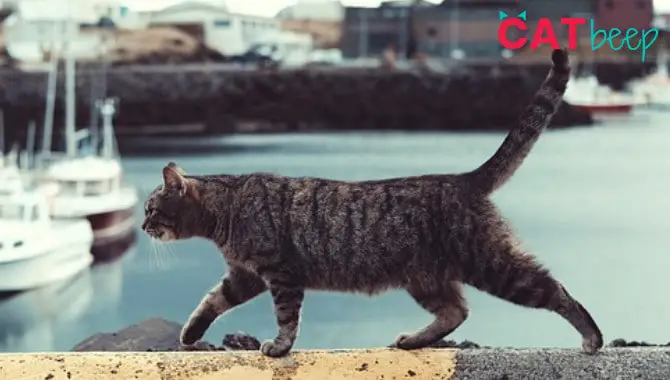
As a prospective cat owner, you may be wondering if Abyssinian cats are aggressive. In this section, we will examine the behavior, temperament, and personality traits of this breed to give you a comprehensive understanding of whether aggression is a common trait in Abyssinian cats.
Abyssinian cats are known for their lively and energetic nature, but this does not necessarily equate to aggression. In fact, most Abyssinian cats are quite affectionate and enjoy interacting with their owners and other pets. However, like any animal, they can display aggressive behavior under certain circumstances.
To get a better understanding of Abyssinian cat behavior, let’s take a closer look at their temperament and personality traits.
Abyssinian cats are intelligent and curious creatures with a strong sense of independence. They can be quite vocal and are known for their distinctive chirping sound. They are also highly active and require plenty of exercise and mental stimulation to keep them happy and healthy.
When it comes to temperament, Abyssinian cats are generally loyal and affectionate towards their owners. They are also known for their playfulness and love of toys, making them a great choice for families with children.
Key Takeaways
- Although Abyssinian cats are energetic, it does not mean they are aggressive.
- Abyssinian cats are known for their curious, independent, and vocal personalities.
- They are usually affectionate towards their owners and enjoy playing with toys.
Understanding Abyssinian Cat Behavior
Abyssinian cats are known for their energetic and curious personalities. While they typically have friendly and playful temperaments, aggression can sometimes be observed in this breed. Understanding the behavior of Abyssinian cats can help you identify and address potential aggression-related issues.
Aggression in Abyssinian Cats
Aggression in Abyssinian cats can manifest in different ways, including biting, scratching, and hissing. It can be caused by various factors such as fear, territorial behavior, and redirected aggression. Some common signs of aggression in Abyssinian cats include:
- Hissing or growling
- Arching the back and fluffing up the fur
- Tail lashing or wagging
- Showing teeth and claws
If you observe these behaviors in your Abyssinian cat, it is important to address them promptly to ensure the safety of both your cat and those around them.
Aggressive Behaviors in Abyssinian Cats
Abyssinian cats can display various aggressive behaviors that may indicate underlying issues. Some common aggressive behaviors in this breed include:
- Play aggression: This is when cats display aggressive behaviors during playtime, such as biting and scratching. It is usually not harmful, but can sometimes be mistaken for actual aggression.
- Territorial aggression: Cats may exhibit aggressive behaviors when they feel their territory is being invaded or threatened. This can include hissing, growling, and scratching.
- Dominance aggression: Cats may exhibit aggressive behaviors when they perceive themselves as dominant over others, including humans and other cats. This can include biting, scratching, and hissing.
Addressing Aggression in Abyssinian Cats
If you observe aggressive behaviors in your Abyssinian cat, there are several steps you can take to address the issue:
- Identify the cause of the aggression and remove triggers where possible.
- Provide your cat with plenty of toys and opportunities for exercise and play.
- Consult with a veterinarian or animal behaviorist for guidance on how to manage the aggression.

Remember, aggressive behavior in Abyssinian cats should not be ignored. By taking steps to address the issue, you can help ensure a happy and harmonious relationship with your feline friend.
Related Posts
Factors Influencing Abyssinian Cat Aggression
If your Abyssinian cat is exhibiting signs of aggression, it’s crucial to identify the underlying causes and work towards addressing them. Some common factors that may play a role in Abyssinian cat aggression problems include:
| Factor | Description |
|---|---|
| Trauma or illness | Cats that have been through a traumatic experience or are suffering from an illness may exhibit aggressive behavior. It’s important to visit your veterinarian to rule out any underlying medical issues. |
| Lack of socialization | Abyssinian cats that have not been adequately socialized may feel threatened by new people or animals, leading to defensive aggression. |
| Unfamiliar territory | Cats can become territorial and aggressive in unfamiliar spaces. Consider providing your cat with a quiet, private space where they feel safe and secure. |
If your Abyssinian cat is biting or scratching, it’s essential to deal with the issue promptly and effectively. Here are some tips on how to handle Abyssinian cat aggression:
- Never punish your cat for aggressive behavior: Punishment can cause further stress and exacerbate aggression problems. Instead, try to identify the root cause of the behavior and work towards a solution.
- Provide plenty of mental and physical stimulation: Boredom and lack of exercise can contribute to aggression, so be sure to provide your cat with plenty of toys and play opportunities.
- Consider consulting a professional: If your Abyssinian cat’s aggression continues despite your best efforts, it may be helpful to seek the advice of a professional animal behaviorist.

Remember, aggression in Abyssinian cats is not a hopeless problem. With patience and consistency, you can help your cat overcome their aggressive tendencies and lead a happy, healthy life.
Abyssinian Cats and Interactions with Others
One common concern among potential Abyssinian cat owners is whether these cats are aggressive towards other pets, humans, children, or strangers.
While every cat is unique and may exhibit differing behaviors, in general, Abyssinian cats are known for their affectionate and outgoing personality. They enjoy human interaction and often get along well with children and other pets in the household.
However, as with any breed, there may be instances of aggression. Abyssinian cats may display aggressive behavior towards other pets if they feel threatened or if they perceive them as intruding on their territory. Similarly, they may exhibit aggression towards humans if they feel cornered or frightened.
It is important for cat owners to closely monitor their Abyssinian’s behavior and take appropriate action to prevent or mitigate any potential aggression. This may include providing plenty of toys and play opportunities to prevent boredom, setting clear boundaries with other pets in the household to prevent territorial conflicts, and regularly training and socializing your cat to ensure they feel comfortable around new people and situations.
If you do notice signs of aggression in your Abyssinian cat, it is important to address the issue promptly. This may involve seeking advice from a professional cat behaviorist or trainer to identify the root cause of the behavior and develop a plan to manage it effectively.

Managing Aggression towards Children
If you have young children in the household, it is important to supervise any interactions with your Abyssinian cat closely. Teach your children to respect the cat’s boundaries and avoid behaviors that may provoke aggressive responses, such as pulling their tail or ears. Encourage gentle and positive interactions, such as offering treats or playing with toys together.
Dealing with Aggression towards Strangers
Abyssinian cats may also exhibit aggression towards strangers, particularly if they are not used to being around new people. It is important to gradually introduce your cat to new people and situations to ensure they feel comfortable and confident, and to provide plenty of positive reinforcement for good behavior.
Preventing Aggression towards Humans
To prevent aggressive behavior towards humans, it is essential to respect your Abyssinian’s personal space and avoid behaviors that may make them feel threatened. This may include sudden movements or loud noises, as well as excessive handling or petting. Providing a safe and comfortable environment for your cat can also help to reduce stress and prevent potential aggression.
Aggression in the Context of Territory and Dominance
As natural hunters and explorers, Abyssinian cats have a strong instinct to defend their territory and assert dominance over other cats. This can sometimes lead to aggressive interactions, especially in multi-cat households where resources and space may be limited.
Abyssinian cat aggressive towards other cats
Abyssinian cats often display aggression towards other cats, particularly when they perceive them as a threat to their territory or resources. This may manifest as hissing, growling, or physical altercations.
Abyssinian cat territorial aggression
Territory is a significant factor in Abyssinian cat aggression. This breed can become fiercely protective of their spaces, such as their bed or litter box, and may show aggression towards other cats who encroach on these areas. Additionally, if a new cat is introduced to the household, the Abyssinian may perceive them as a threat to their established territory, leading to aggressive behavior.
Abyssinian cat dominance aggression
Along with territorial aggression, Abyssinian cats may display dominance aggression towards other cats. This can include behaviors such as blocking access to food or litter boxes, staring down other cats, or physically pushing them out of the way. These behaviors are typically an attempt to establish dominance and assert their place in the hierarchy of the household.
| Tip: | If you have a multi-cat household, ensure that there are enough resources, such as food and litter boxes, for all cats to avoid competition and territorial disputes. |
|---|---|
 |
It is important to monitor interactions between Abyssinian cats and other cats in the household, and intervene if necessary to prevent aggressive behavior. |
Fear and Redirected Aggression in Abyssinian Cats
Abyssinian cats are generally known for their friendly and outgoing nature, but like any other cat breed, they can exhibit aggressive behavior under certain circumstances. Fear aggression and redirected aggression are two types of aggression that Abyssinian cats may display, and it’s essential to understand how they work to manage them effectively.
Abyssinian cat fear aggression:
Fear aggression in Abyssinian cats occurs when they feel threatened or scared. For example, if a stranger enters your home, your Abyssinian cat may react aggressively out of fear. Signs of fear aggression in cats include hissing, growling, swishing the tail, and flattening the ears against the head. Your cat may also try to escape the situation by hiding or fleeing.
If your Abyssinian cat displays fear aggression, it’s essential to create a safe and calm environment, especially when introducing new people or pets. Avoid forcing your cat to interact with anything or anyone that makes them feel uncomfortable. Instead, give them time to adjust and offer positive reinforcement in the form of treats and praise when they exhibit calm behavior.
| Signs of Fear Aggression | How to Manage |
|---|---|
| Hissing, growling, swishing tail | Create a safe and calm environment, avoid forcing interaction, give time to adjust, use positive reinforcement |
Abyssinian cat redirected aggression:
Redirected aggression in Abyssinian cats occurs when your cat is agitated or aroused by one stimulus but can’t direct their aggression toward it. For example, if your Abyssinian cat sees another cat outside, they may become agitated and try to attack the other cat through a window. If you try to intervene, your cat may redirect their aggression towards you, biting or scratching.
If you suspect that your Abyssinian cat is experiencing redirected aggression, avoid interacting with them until they calm down. Interrupt their behavior by creating a loud noise or spraying water, and then give them time to cool off. If your cat has redirected aggression towards you, it’s essential to stop interacting with them immediately and avoid punishing them, as this may exacerbate their aggression.
| Signs of Redirected Aggression | How to Manage |
|---|---|
| Attacking after seeing a stimulus they can’t direct aggression towards | Avoid interacting until they calm down, interrupt behavior, give time to cool off, avoid punishment |

It’s essential to understand the different types of aggression that Abyssinian cats may exhibit and how to manage them. By providing a safe and calm environment, avoiding interactions that make them uncomfortable, and using positive reinforcement, you can help your Abyssinian cat feel more secure and reduce their aggressive behavior.
Addressing Aggressive Play and Hunting Instincts
Abyssinian cats are known for their playful and energetic nature. However, these tendencies may sometimes manifest in the form of aggressive play or hunting instincts, which can be mistaken for actual aggression.
If you observe your Abyssinian cat displaying overly aggressive behavior during playtime, it is important to address it promptly. One effective way to do so is to redirect their attention to a proper toy or object, rather than using your hands or feet as a plaything. This can help to discourage rough play and prevent any unintentional injuries.
It is also important to recognize that Abyssinian cats have a strong natural hunting instinct, which may lead to aggressive behavior towards small animals or birds. If you have other pets in the household, it is crucial to supervise their interactions and provide separate spaces if necessary.
To manage your Abyssinian cat’s hunting instincts, try providing interactive toys that stimulate their natural predatory instincts without risking harm to other animals. Examples include puzzle feeders, laser pointers, or toy mice.

“It is important to recognize that aggressive play and hunting instincts in Abyssinian cats can be managed with proper redirection and interactive toys.”
Conclusion
Congratulations on reaching the end of this comprehensive guide to Abyssinian cat aggression. By now, you should have a better understanding of the behavior, temperament, and unique personality traits of Abyssinian cats. You have explored the different factors that may contribute to aggression in this breed, as well as specific aggressive behaviors and how to handle them.
Managing Aggression in Abyssinian Cats
If you are a cat owner and have an Abyssinian cat that displays aggressive behaviors, it is important to remain calm and patient. Remember that aggressive behaviors are often a result of fear, frustration, or stress, and it is crucial to identify the root cause of the aggression.
One effective way to manage aggression in Abyssinian cats is to provide them with plenty of mental and physical stimulation. Playtime and interactive toys can help release pent-up energy and prevent boredom-induced aggression. Additionally, establishing a daily routine can help your Abyssinian cat feel more secure and reduce anxiety-related aggression.
Seeking Professional Help
If your Abyssinian cat continues to display aggressive behaviors despite your efforts, it may be time to seek professional help. A veterinarian or a certified animal behaviorist can evaluate your cat and determine the underlying cause of the aggression. They can also provide guidance and support in developing a tailored plan to manage your cat’s aggressive behaviors.
Remember that with patience, understanding, and the right resources, you can effectively manage any aggressive tendencies in your Abyssinian cat and ensure a happy and harmonious relationship with your feline companion.
FAQ
Are Abyssinian cats aggressive?
Abyssinian cats are generally not considered aggressive. They are known for their friendly and affectionate nature. However, like any other cat breed, individual personalities may vary, and some Abyssinians may display aggressive behaviors in certain situations.
What are some signs of aggression in Abyssinian cats?
Signs of aggression in Abyssinian cats can include hissing, growling, scratching, biting, puffed-up fur, flattened ears, and a stiff body posture. It’s important to observe their body language and behavior to identify any signs of aggression.
How can I deal with aggression in Abyssinian cats?
To handle aggression in Abyssinian cats, it is essential to identify the underlying cause. If the aggression is due to fear or stress, creating a calm and secure environment can help. Consult with a veterinarian or animal behaviorist for guidance on behavior modification techniques and possible medical interventions.
Are Abyssinian cats aggressive towards other pets?
Abyssinian cats can be generally sociable with other pets, including other cats and dogs. However, introducing them to new pets should be done gradually and under supervision to ensure a smooth transition and avoid any potential aggression.
Do Abyssinian cats display aggression towards humans?
Abyssinian cats are not known to be aggressive towards humans. They are typically friendly and enjoy human companionship. However, as with any animal, proper handling, socialization, and respect for their boundaries are essential to maintain a positive relationship.
Are Abyssinian cats aggressive towards children?
Abyssinian cats can get along well with children when introduced and supervised properly. It’s important to teach children how to interact gently and respect the cat’s boundaries to prevent any aggressive encounters.
Do Abyssinian cats show aggression towards strangers?
Abyssinian cats may exhibit cautious behavior towards strangers initially, but they are not typically aggressive towards them. With proper socialization and positive experiences, they can become more comfortable and friendly with unfamiliar people.
How do Abyssinian cats interact with other cats?
Abyssinian cats can generally get along well with other cats, especially if they are properly introduced and given time to adjust. However, territorial aggression may occur, particularly when introducing a new cat to their established territory. Gradual introductions and providing separate resources can help ease any potential conflicts.
What is territorial aggression in Abyssinian cats?
Territorial aggression in Abyssinian cats is when they exhibit aggressive behavior to protect their perceived territory from intruders. This can include hissing, growling, and fighting with other cats or animals that enter their territory.
How can I address fear and redirected aggression in Abyssinian cats?
Fear aggression in Abyssinian cats can be addressed by creating a safe and secure environment, avoiding situations that trigger fear, and gradually desensitizing them to fearful stimuli. Redirected aggression can be managed by providing appropriate outlets for their energy, such as interactive play sessions and environmental enrichment.
What should I do about aggressive play and hunting instincts in Abyssinian cats?
Aggressive play and hunting instincts are natural behaviors in Abyssinian cats. To manage them, provide plenty of interactive toys and play sessions to redirect their energy. Avoid using hands or feet as play objects to prevent them from associating human body parts with aggression.
Article by Barbara Read

Barbara Read is the heart and soul behind CatBeep.com. From her early love for cats to her current trio of feline companions, Barbara's experiences shape her site's tales and tips. While not a vet, her work with shelters offers a unique perspective on cat care and adoption.