
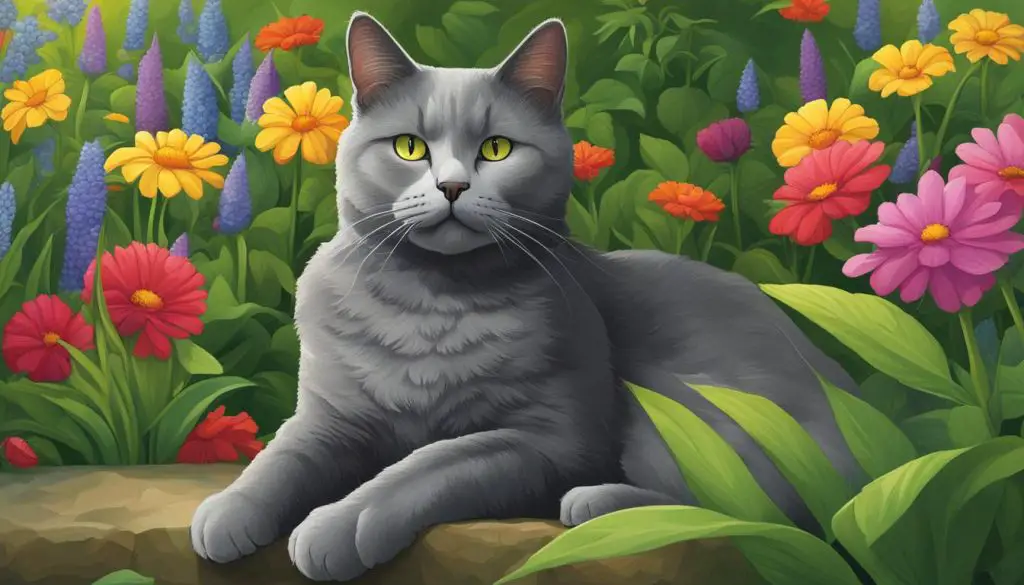
Chartreux cats are beloved by many cat owners for their unique appearance and affectionate personalities. If you are a Chartreux cat owner or considering becoming one, you may be wondering about their reproductive behavior and whether they have a specific mating season.
Chartreux cat reproduction is an interesting topic to explore, as these cats have their own distinct breeding habits and patterns. In this article, we will delve into the mating behavior of Chartreux cats, discussing their reproductive cycles, breeding patterns, heat cycles, factors influencing mating seasons, and more. By the end of this article, you will have a better understanding of Chartreux cat reproduction and what to expect if you are considering breeding your cat.
Key Takeaways:
- Chartreux cats have specific breeding habits and patterns.
- Understanding their reproductive cycles and mating behavior is important for cat owners.
- Factors such as fertility and reproductive hormones can influence Chartreux cat mating seasons.
- Mating age and compatibility are important considerations when breeding Chartreux cats.
- By learning more about Chartreux cat reproduction, you can better care for your cat and make informed breeding decisions.
Understanding Chartreux Cat Reproductive Cycles
If you’re wondering whether Chartreux cats mate year-round, the answer is no. These cats have a specific breeding season, which typically falls between January and September in the Northern Hemisphere. During this time, Chartreux cats are more likely to mate and produce offspring, although not all individuals may do so.
In terms of fertility, Chartreux cats are generally healthy and able to produce offspring throughout their reproductive years. However, just like with humans, fertility can decline with age. Female Chartreux cats are typically fertile between 6 months and 8 years of age, with the peak period being between 1-4 years. Males are usually fertile from 8 months to 10 years of age.
Chartreux cat mating behavior is unique and fascinating. Before mating, males will perform various rituals to attract the female, such as making a chirping noise or engaging in playful behavior. Once the female is receptive, mating typically occurs quickly and may be repeated several times during a single mating session.
It’s important to note that not all Chartreux cats will mate during their breeding season. Some may be uninterested or unresponsive, while others may have health issues that prevent them from reproducing. Additionally, some owners may choose to spay or neuter their cats for health or behavior reasons, which will eliminate the possibility of reproduction.
Chartreux Cat Fertility
To ensure optimal fertility for your Chartreux cat, it’s important to provide them with a healthy diet, regular exercise, and proper veterinary care. Regular check-ups can help detect any underlying health conditions that may affect fertility, while spaying or neutering can prevent unwanted pregnancies and ensure the cat’s overall health and well-being.
Chartreux cats, like all animals, should be treated with care and respect during their reproductive years. By understanding their reproductive cycles and behaviors, you can help ensure the best outcomes for both the cat and their offspring.

Related Posts
The Breeding Patterns of Chartreux Cats
If you’re considering breeding Chartreux cats, it’s important to understand their breeding patterns. While there is no specific breeding season for Chartreux cats, they do tend to have seasonal patterns of fertility.
Chartreux cats typically reach sexual maturity around nine months to a year of age. After this point, they may go into heat several times a year. The length of a heat cycle for Chartreux cats can vary, but it usually lasts around five days.
During this time, a female Chartreux cat will display mating behaviors such as yowling, rubbing up against objects, and becoming more affectionate and attention-seeking. Male Chartreux cats will also become more vocal and may try to escape from the house to find a mate.
If you plan on breeding Chartreux cats, it’s important to ensure that both cats are in good health and have a suitable temperament for breeding. Inbreeding should be avoided to prevent health issues in offspring.
Breeding Chartreux Cats
Chartreux cats are known for their gentle and affectionate nature, making them good candidates for breeding. When breeding Chartreux cats, it’s important to provide a quiet and stress-free environment for the cats.
Male Chartreux cats may need to be introduced to the female multiple times to ensure successful mating. Female Chartreux cats may also require assistance during the breeding process, as they have a unique reproductive system that can make it difficult to conceive.
After successful mating, the female Chartreux cat will carry her kittens for approximately nine weeks before giving birth. Chart