
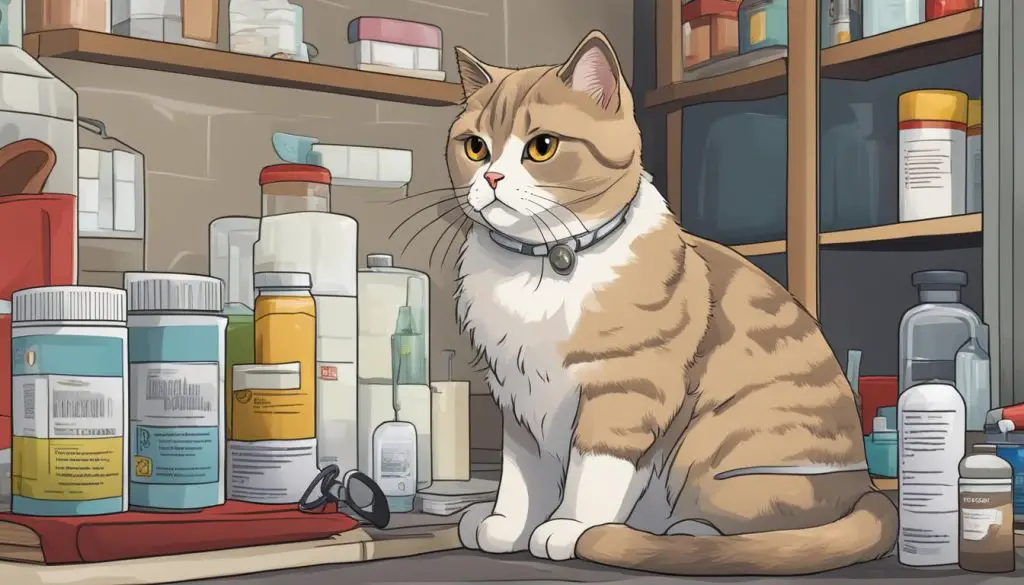
Scottish Fold Cats are beloved for their distinctive appearance, often described as looking like “teddy bears.” These cats have gained popularity due to their cute and cuddly nature, but many potential owners are unsure of the health concerns associated with this breed.
Like many other purebred cats, Scottish Folds may face certain health issues due to their genetic makeup. In this section, we will discuss common health problems in Scottish Fold cats, including concerns specific to kittens and genetic issues that are more prevalent in Scottish Folds.
It is important for potential Scottish Fold owners to be aware of these potential health concerns and take appropriate measures for the well-being of their cats.
Key Takeaways:
- Scottish Fold Cats may have certain health issues due to their genetic makeup.
- Common health concerns in Scottish Fold cats include joint and bone disorders, ear problems, eye problems, respiratory issues, gastrointestinal problems, and urinary tract issues.
- Scottish Fold kittens may face unique health concerns, such as developmental abnormalities.
- Genetic health issues, such as hypertrophic cardiomyopathy, are more prevalent in the Scottish Fold breed.
- Regular veterinary check-ups, proper nutrition, and a safe living environment can help mitigate health risks and ensure a happy and healthy life for Scottish Fold cats.
Scottish Fold Cat Ear Problems
Scottish Fold Cats are known for their unique and adorable ears that are folded forward. However, this distinctive feature can also pose certain health risks that owners should be aware of.
If the fold in the ear is too extreme, it can cause narrowing of the ear canal, leading to a buildup of wax and debris. This can result in ear infections and other ear-related issues. It is vital to clean your cat’s ears regularly and keep an eye out for any signs of discomfort.

In some cases, the folded ear gene can cause skeletal deformities of the head, leading to compression of the ear canal. This can lead to hearing loss, balance issues, and even deafness. Regular check-ups with your veterinarian can help catch any potential issues early on.
“It is essential to monitor your cat’s ears and seek veterinary care if you notice any signs of discomfort or hearing loss.”
Additionally, if you plan to breed Scottish Folds, it is crucial to have their ears evaluated by a qualified veterinarian to ensure that they do not have any structural abnormalities that may cause health problems down the line. Remember to prioritize your cat’s ear health to ensure a happy and healthy life.
Related Posts
Joint and Bone Disorders in Scottish Fold Cats
Scottish Folds are prone to certain joint and bone disorders due to their genetic makeup. These health issues may affect their overall mobility and quality of life.
Scottish Fold cat joint issues: Joint problems are a common issue in Scottish Folds, particularly in their hind legs. This can lead to limping, difficulty jumping, and decreased activity levels.
Scottish Fold cat bone disorders: Scottish Folds may also experience bone disorders, such as osteochondrodysplasia, which affects the development of bones and joints. This can cause pain, stiffness, and difficulty moving.
Scottish Fold cat arthritis: Arthritis is another joint problem that Scottish Folds may experience, which can cause pain and discomfort. This is more common in older cats.
Scottish Fold cat hip dysplasia: Hip dysplasia is a genetic condition that affects the hip joint, leading to pain, limping, and difficulty moving. Scottish Folds may be more prone to this condition due to their genetics.
Joint abnormalities in Scottish Fold cats: Scottish Folds may also have joint abnormalities, such as patellar luxation, which causes the kneecap to dislocate and can lead to limping and pain.
Prevention and Treatment
If you suspect that your Scottish Fold may be experiencing joint or bone issues, it is important to take them to a veterinarian for diagnosis and treatment. Treatment options may include pain management, physical therapy, or surgery, depending on the severity of the condition.
In order to prevent future joint and bone problems in your Scottish Fold, it is important to provide them with proper nutrition and exercise. Regular check-ups with a veterinarian can also help catch any potential issues early on.
Below is a comparison table of different joint and bone disorders that Scottish Folds may experience:
| Joint and Bone D |
|---|