

How to Stop Cat from Peeing in Plant? If you’re a cat parent, you may have experienced the frustration of finding your furry friend peeing in your indoor plants. Inappropriate urination can damage your plant and create a stinky mess. However, don’t worry; you’re not alone, and there are solutions available to prevent this behavior. In this section, we’ll provide you with tips on how to stop your cat from peeing in your plant.
Key Takeaways
- Cat behavior can contribute to inappropriate urination in plants
- Proper litter box training and placement can prevent this behavior
- Environmental enrichment and positive reinforcement can encourage appropriate urination habits
- Seeking professional assistance can be helpful in resolving persistent issues
How to Stop Cat from Peeing in Plant – Understanding Cat Behavior and Feline Peeing Habits
If your cat started peeing in your plants, you may wonder why they would do such a thing. Understanding your cat’s behavior and feline peeing habits can help you prevent future problems.
Cats are territorial animals, and urinating is their way of marking their territory. They also have preferences for litter boxes, including the type of litter and the cleanliness of the box.
Environmental changes can also lead to litter box issues and inappropriate urination. Cats can become stressed or anxious due to a new environment, a new family member, or changes in daily routines.
Cat marking behavior can also result in inappropriate urination, as it’s their way of telling other cats that the space is already claimed.
Understanding your cat’s territorial behavior, litter box preferences, and how environmental changes can impact their urination habits can help you find solutions to stop your cat from peeing in your plants.
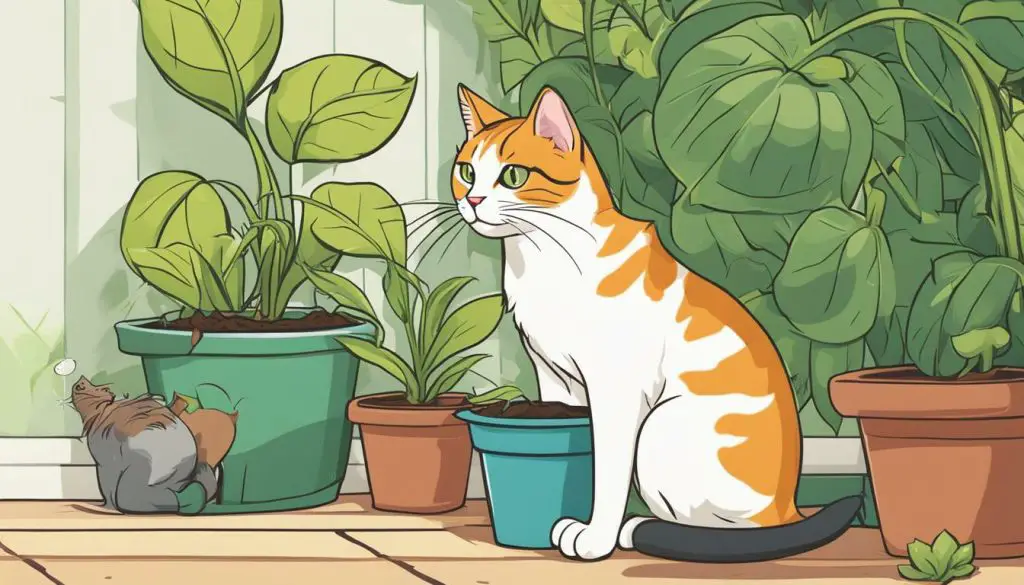
Note: Understanding your cat’s behavior is the first step in preventing inappropriate urination.
Litter Box Training and Placement
Proper litter box training is crucial in preventing inappropriate urination. Cats are fastidious animals that prefer clean and easily accessible litter boxes. Here are some tips to ensure your cat uses the litter box regularly:
- Litter preference: Try different types of litter to determine your cat’s preference. Some cats prefer clumping litter, while others prefer non-clumping. Unscented litter is usually the safest option.
- Litter box placement: Place the litter box in a quiet and private area. Avoid placing it near their food and water bowls. Cats prefer a little bit of privacy while doing their business.
- Clean litter box: Scoop the litter box at least once a day and change the litter completely every week. Cats prefer a clean litter box and may avoid a dirty one.
Additionally, ensure that you have one litter box per cat and an extra one as a backup. This will prevent any territorial issues and ensure each cat has their own space to do their business.
It’s also essential to note that some cats may have a preference for certain types of litter boxes. Some may prefer open litter boxes, while others prefer enclosed ones. Experiment with different litter box options to find the best fit for your cat.
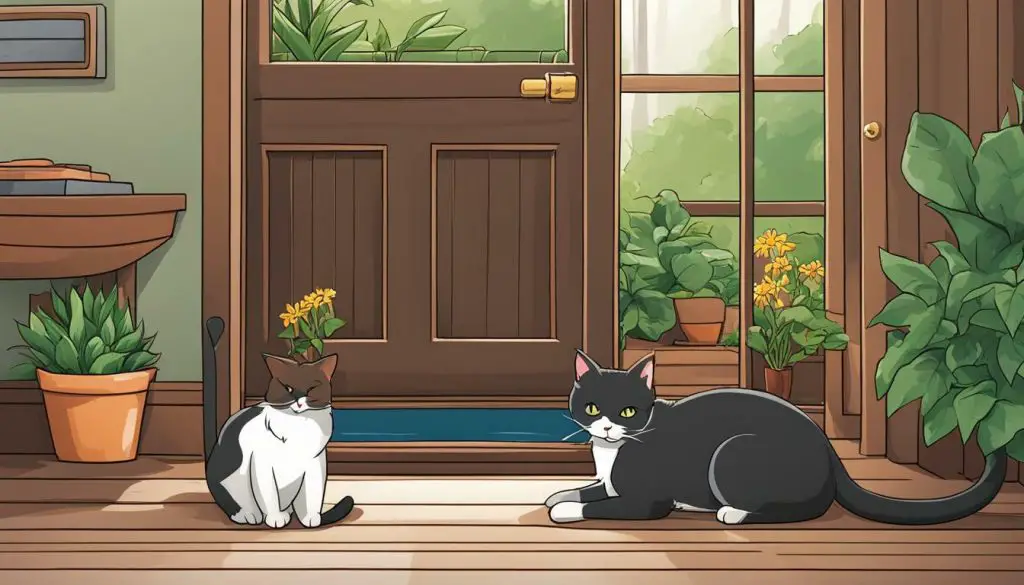
Tip: If your cat has previously urinated in your plants, try placing a litter box near the area. This can redirect their attention and encourage them to use the litter box instead.
Addressing Medical Issues and Behavioral Therapy
If your cat continues to urinate in plants despite proper litter box training and environmental enrichment, it’s essential to rule out any underlying medical issues. Medical conditions, such as urinary tract infections, bladder stones, and Feline Lower Urinary Tract Disease (FLUTD), can contribute to inappropriate urination.
Urinary tract infections (UTIs) are a common cause of inappropriate urination in cats. Symptoms include straining to urinate, increased frequency of urination, and blood in the urine. If you suspect your cat has a UTI, bring them to a veterinarian immediately for diagnosis and treatment.
FLUTD is another medical issue that can affect your cat’s urinary tract and cause urination problems. Symptoms include difficulty or pain when urinating, excessive grooming of the genital area, and blood in the urine. Treatment for FLUTD may involve medications, changes in diet, and environmental modifications.
Behavioral therapy can also be an effective solution for inappropriate urination caused by stress or anxiety. A certified cat behaviorist can provide personalized recommendations and training to help modify your cat’s urination habits. Techniques such as positive reinforcement, desensitization, and counter-conditioning can be used to address underlying behavioral issues.
“Remember, early detection and treatment of medical issues, along with behavioral therapy, can significantly improve your cat’s urination habits.”