

Some cat owners hold that their male cats are friendlier and more physically affectionate than their female cats. Others insist that it’s the males are aloof or aggressive, while the females are cuddle-bugs. In fact, gender is just one factor in a cat’s personality. What’s more important is the degree of socialization the cat received as a kitten, along with other factors such as past experiences with people and the age when the cat was spayed or neutered.
Are Male Cats More Affectionate Than Female Cats? Some male cats are very friendly and some female cats are very aloof; even so, it’s impossible to predict whether or not a cat will be loving and friendly based on gender alone.
If you’ve discovered this page, you’re probably considering a new cat and want to make sure that your pet will be a suitable companion (despite the breed). You have a number of questions, such as whether the sex of the cat makes them more friendly.
- Is this true that male cats are more affectionate?
- What factors determine a cat’s level of affection?
- How can you make sure that your cat is friendly and sociable?
Keep reading to learn more about the feline personality and how to make sure you choose the right cat for you.
Are Male Cats More Affectionate Than Female Cats?
Many male and female cat owners have a very strong opinion on this. Some will insist that male cats, being more adventurous and confident, are naturally more social than their shyer sisters. They will insist that their boy cats are the lap-kitties of the household while the females prefer to keep a cautious distance. On the other hand, you will also meet cat owners who insist that female cats make for the most cuddlesome and doting pets, while boy kitties are more aloof and apt to scratch or bite.
It’s unclear how the stereotype of the ice-queen female cat got started but I suspect it had something to do with the way cats were cared for in the past — or rather not cared for. In the bad old days, when cats weren’t routinely spayed and neutered as they are now. Female cats had to cope with bouts of seasonal oestrus (heat) which would naturally make them anxious to leave the house and find a mate.
Once pregnant, they would soon have kittens to protect. A mother cat might reasonably decide that the humans in the household represented a threat to her new babies and become highly distrustful. Unburdened by the blessings of motherhood, the household tom might remain on more cordial terms.
On the other hand, those who insist that girl cats are more affectionate may be influenced by encounters with entire toms. The effect of testosterone on a tom-cat’s personality can be quite dramatic, taking him from a sweet and playful kitten to a spraying, furniture-clawing, fight-initiating bully.
Nowadays, thankfully, most kittens are spayed or neutered as a matter of course. Female cats aren’t forced to endure bouts of heat or litter after litter of kittens, while male cats are spared the burden of feline puberty with its attendant aggression and territorial displays. While there’s certainly plenty of anecdotes to support either position, there’s little evidence that male cats are really more affectionate or vice versa.
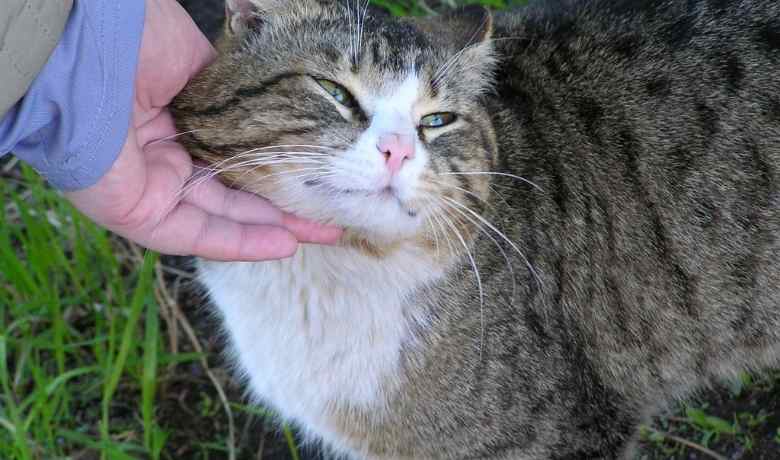
How Can I Choose An Affectionate Cat – Male Or Female?
If selecting by gender isn’t helpful in finding an affectionate pet, how can you make sure that the cat you choose has the right temperament for you? The first step is to make sure you acquire your new companion from an ethical and responsible breeder or shelter. A good breeder will ensure that the cat (male or female) you buy from them has had the very best start in life. While a rescue kitty is a bit more of an unknown quantity, a well-run shelter will help you to find a cat who’s a good fit for your household.
When buying a kitten, you should first ensure that your breeder is registered with any voluntary organizations in your region that oversee catteries. Ideally, you should be able to visit the cattery before you buy and see the kittens and their mother. The cattery should be clean and tidy; the cat and the little ones should be healthy and happy. None of the animals should be dirty or show signs of ill-health. The kittens themselves should be lively, curious and unafraid of humans. A kitten who will make a good pet will be happy to play with you a little — try tempting the kitten you’re interested in with a teaser toy or a slip of ribbon.
Kittens must not be taken away from their mother too early. They should be allowed to interact with humans in a safe and secure environment, supported by the mother cat. If the kittens are removed from the mother before twelve or fourteen weeks old they can suffer from separation anxiety and may struggle to establish an emotional bond with their caretakers. The exception would be hand-reared kittens, which are often very attached to humans; however, hand-rearing an unweaned baby kitten is an extremely high-risk process which is best left to a trained professional.
When adopting a cat from a shelter, you will probably be taking on a mature animal rather than a young and impressionable kitten. Rescue kitties sometimes come from good homes — they’ve simply been parted from a caring owner by illness, misfortune or death. In other cases, sadly, a rescue cat may have survived significant abuse and cruelty, making them less likely to feel a connection to humans.
Sometimes they can recover with patient and loving care, but there are cats who will never quite be “pets” in the usual sense. While caring for a troubled animal can be deeply rewarding, it can be taxing and challenging. A responsible shelter will try to match you with a cat who has the kind of temperament you’re looking for.